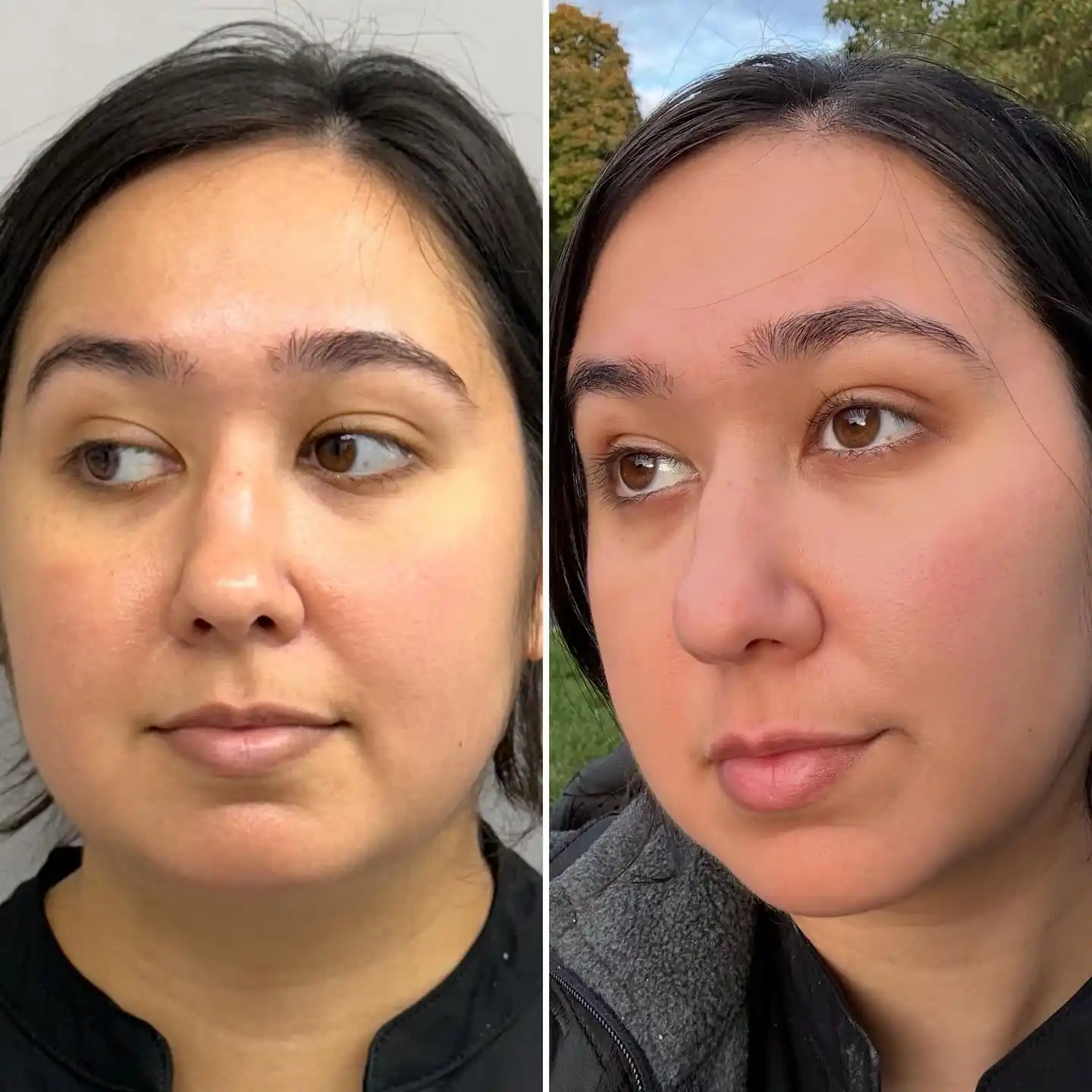
Uneven tone, sun spots, and dark marks that just won’t fade can leave your skin looking duller than you’d like. If your skincare routine isn’t getting you there, a professional treatment might be worth a look.Fraxel 1927 laser resurfacing and chemical peels are two of the options people most often weigh for pigmentation. Both can soften …

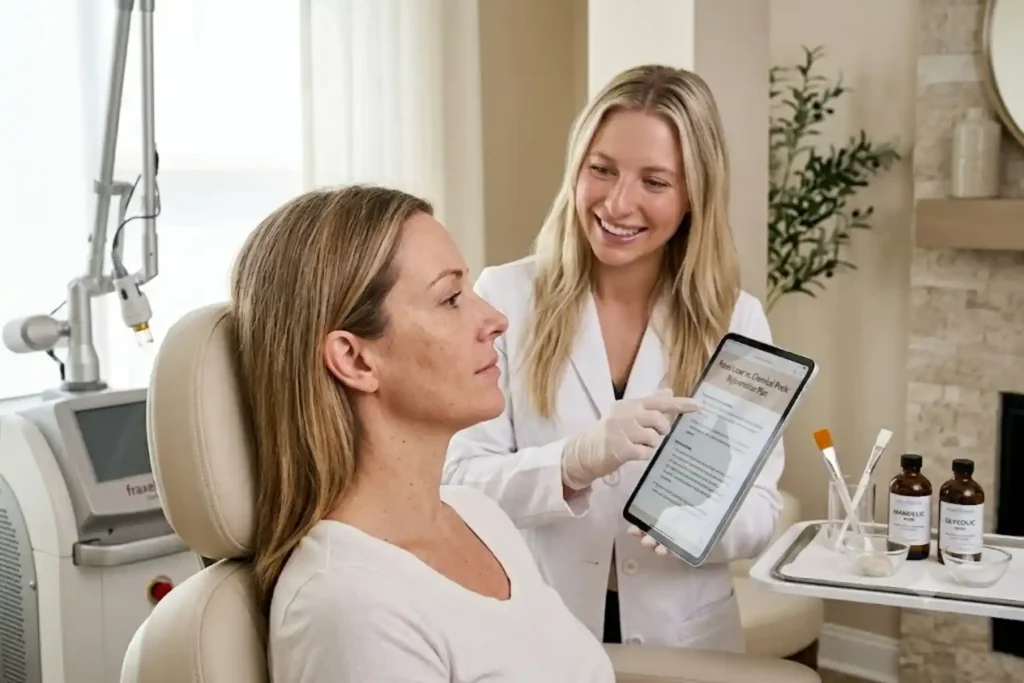
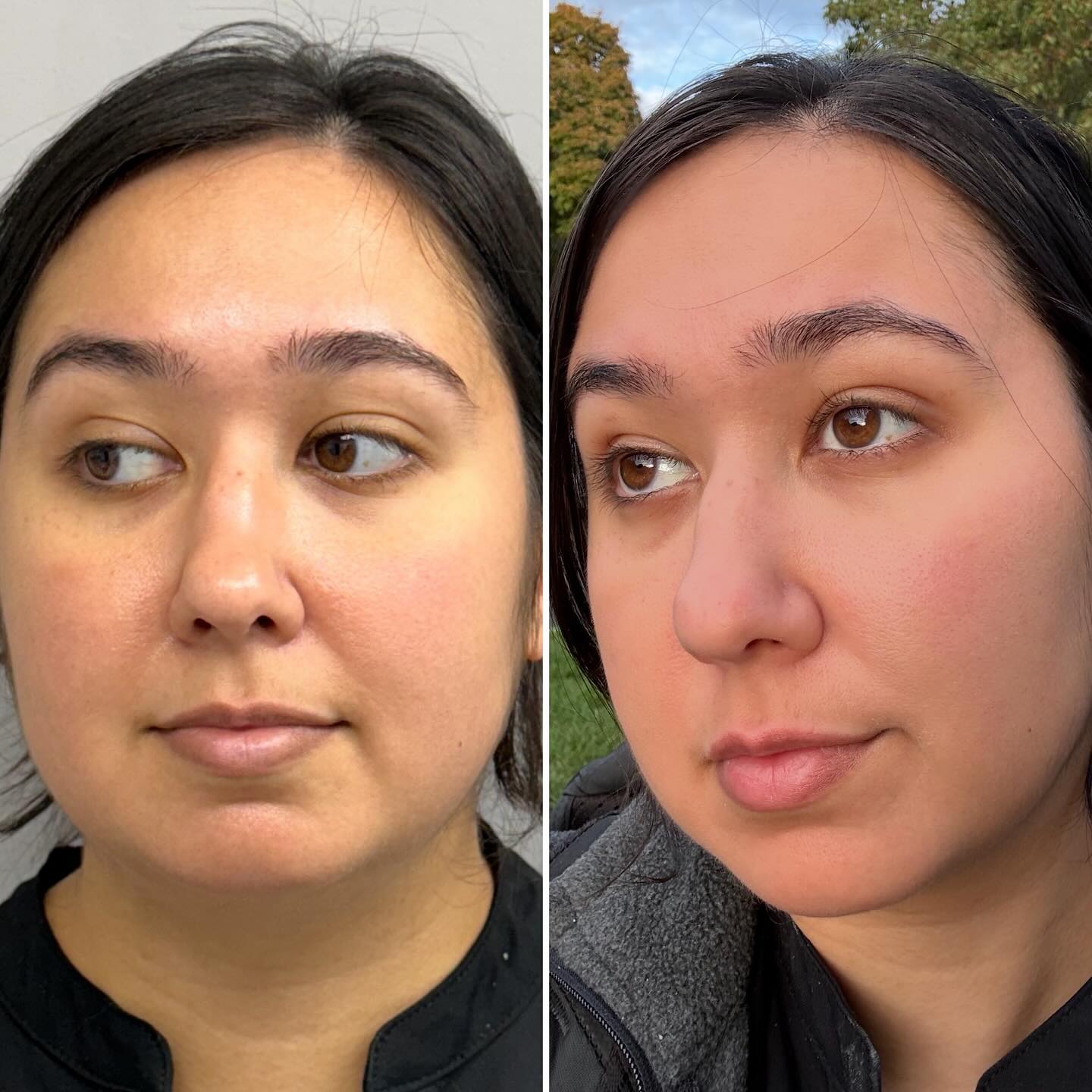
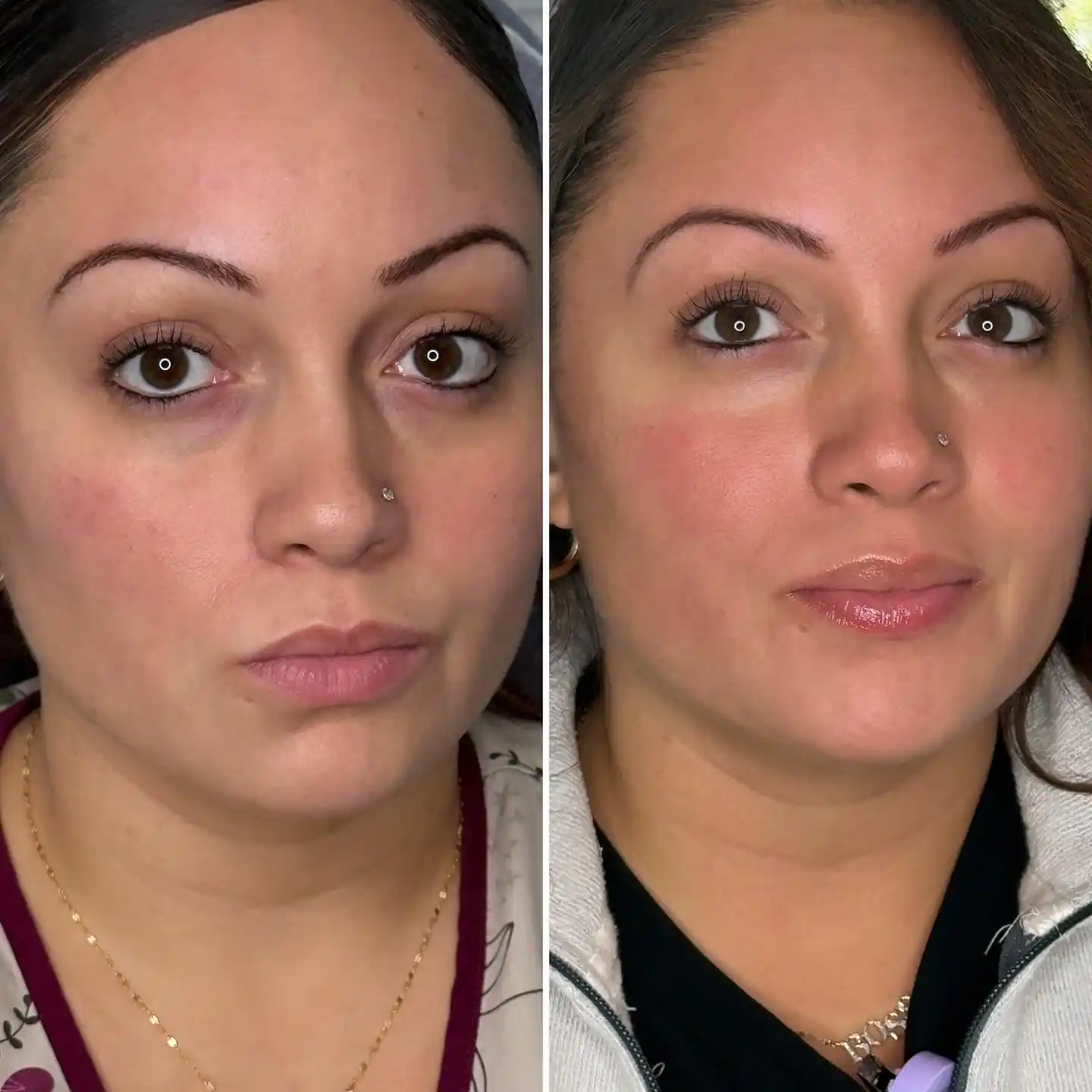
Uneven tone, sun spots, and dark marks that just won’t fade can leave your skin looking duller than you’d like. If your skincare routine isn’t getting you there, a professional treatment might be worth a look.
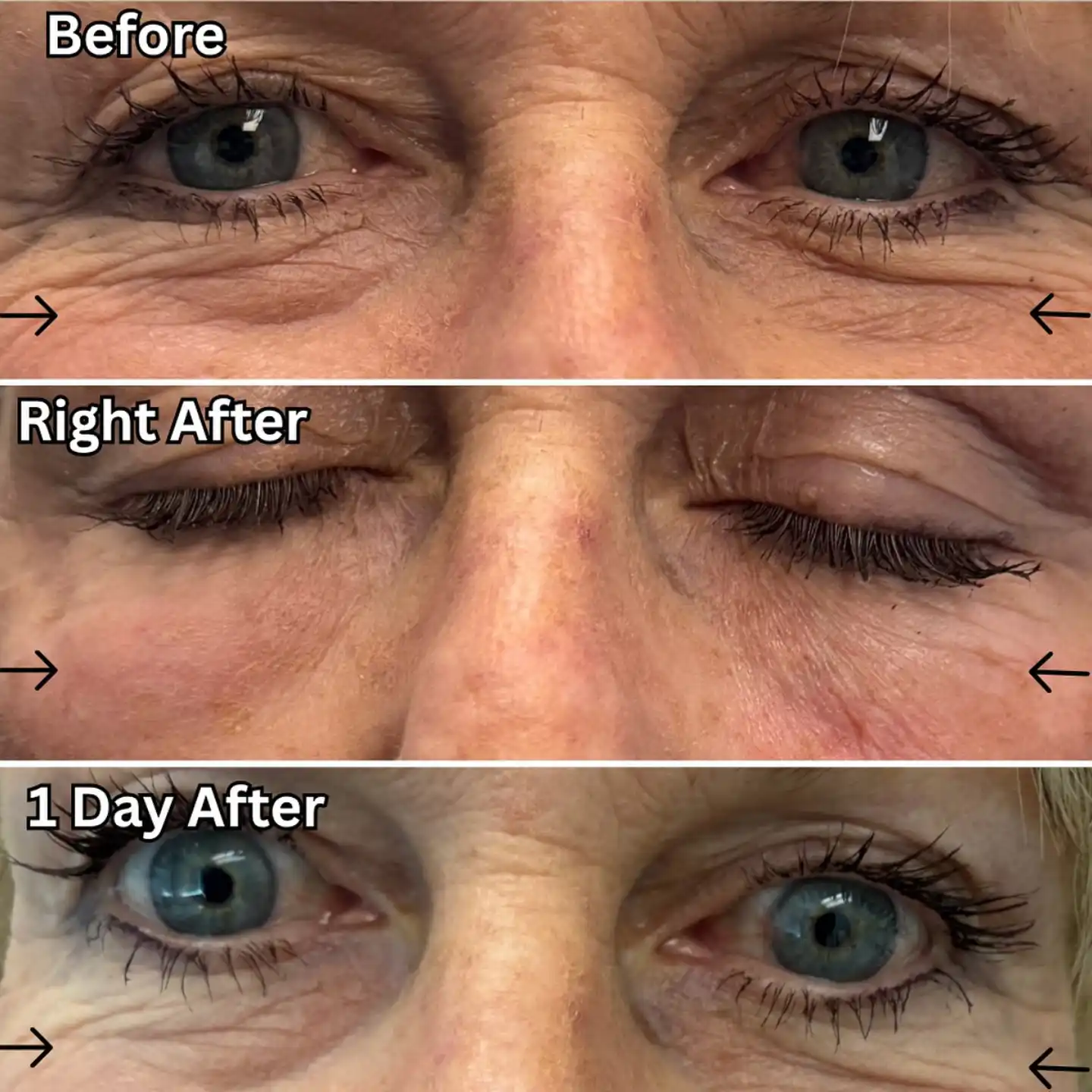
Fraxel 1927 laser resurfacing and chemical peels are two of the options people most often weigh for pigmentation. Both can soften the look of discoloration, but they work in different ways, so one can’t simply stand in for the other.
Which one is right for you? That depends on what’s causing the discoloration, your skin type, your lifestyle, and how much downtime you can realistically handle.
At Bala Medi Spa in Bel Air, Maryland, the starting point is understanding your concerns, not just recommending the strongest treatment on the menu.
What Causes Uneven Skin Tone?
There’s no single cause. Years of sun exposure, age spots, marks left behind by acne, hormonal shifts, and ordinary aging all play a part.
And not every dark spot is the same. A sun spot can respond very differently to treatment than melasma or post-inflammatory hyperpigmentation does.
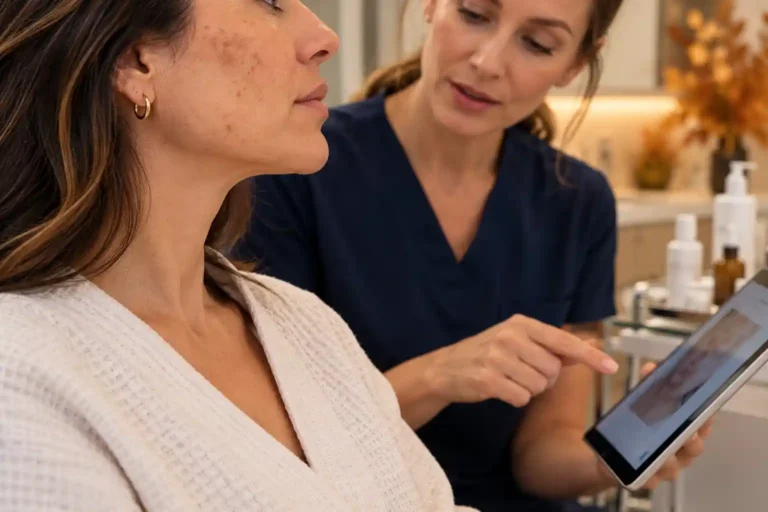
That’s why a personal assessment matters. Before choosing a treatment, you need to know what’s behind the discoloration, and whether a laser, a chemical peel, a skincare plan, or some mix of these makes sense.
How Fraxel 1927 Helps With Pigmentation
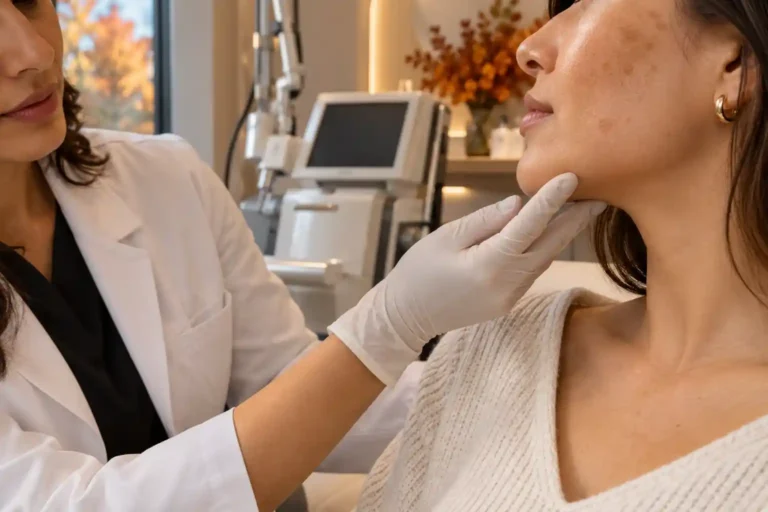
Fraxel 1927 is a fractional laser treatment. It delivers controlled laser energy to specific spots on the skin, and it’s used to improve the look of certain pigmentation, like sun spots, age spots, and freckles.
The “fractional” part means the laser doesn’t treat every inch of skin the same way. It creates tiny treatment zones and leaves the skin between them alone, so healing starts right away, using your skin’s own repair process.
It tends to make sense when sun-related discoloration and visible pigment are what bother you most. That said, the settings and plan vary from person to person, and some types of pigmentation just aren’t a good match for laser.
Different Fraxel wavelengths also do different jobs. The 1927 nm wavelength is the one meant for pigmented spots, while others are better suited to things like certain scars or wrinkles. A good provider will choose the technology based on what you want to fix.
If you’re seeing someone at a Bel Air med spa, your consultation should also cover how sensitive your skin is, your medical history, any treatments you’ve had before, and the possibility of pigment changes afterward.
How Chemical Peels Help With Dark Spots
Chemical peels use carefully selected solutions to exfoliate the skin at a controlled depth. Depending on the formula and strength, a peel may help improve the appearance of dullness, uneven tone, some acne-related discoloration, sun damage, and fine lines.
The term chemical peel covers a range of treatments. Some are relatively superficial and require little downtime, while others penetrate more deeply and involve a longer recovery period.
At Bala Medi Spa, options may include professional peels such as VI Peel and SkinMedica Peel, depending on availability, suitability, and the treatment plan recommended for the client.
A chemical peel for dark spots may be a practical option for someone who wants to address uneven tone alongside surface texture or dullness. However, the best peel depends on the skin concern, skin tone, sensitivity, and medical history.
Chemical peels are not all the same, and stronger treatments are not automatically better. The aim is to choose an appropriate formula and depth while managing the risk of irritation and post-inflammatory pigmentation.
Fraxel vs Chemical Peel: What Is The Difference?
Both treatments can support a more even-looking complexion, but they approach skin rejuvenation differently.
Consideration | Fraxel 1927 | Chemical peels |
How it works | Uses fractional laser energy to treat targeted skin zones | Uses a chemical solution to exfoliate the skin at a controlled depth |
Common goals | Certain sun spots, age spots, freckles, and other appropriate pigmentation concerns | Dullness, uneven tone, some dark marks, and selected acne-related concerns. |
Treatment plan | Depends on the pigmentation, skin assessment, and laser protocol | Depends on peel formula, depth, and skin tolerance |
Recovery | May involve redness, swelling, a rough or bronzed appearance, and temporary flaking | May involve redness, dryness, tightness, or peeling, depending on peel depth |
Results | Develop progressively as the skin recovers; more than one session may be recommended. | Develop as the skin recovers; a series may be recommended for some superficial peels |
Best fit | Selected pigment concerns where fractional laser treatment is appropriate | Selected concerns that can be addressed with controlled exfoliation |
Neither option is automatically the winner. Fraxel may be appropriate for certain sun-related spots, while a chemical peel may better suit other concerns or a more gradual treatment plan.
An in-person assessment is especially important if you have melasma, a history of pigmentation after irritation, or a deeper skin tone, because some procedures can worsen discoloration when used inappropriately.
Which Treatment Gives Faster Results?
It depends on which treatment you choose, how deep the problem goes, and how your skin responds.
After Fraxel 1927, your skin needs time to heal. Pigmented spots can look darker at first, or take on a rough, bronzed look, before the skin sheds and your complexion starts to look clearer. The improvement builds over time rather than showing up overnight.
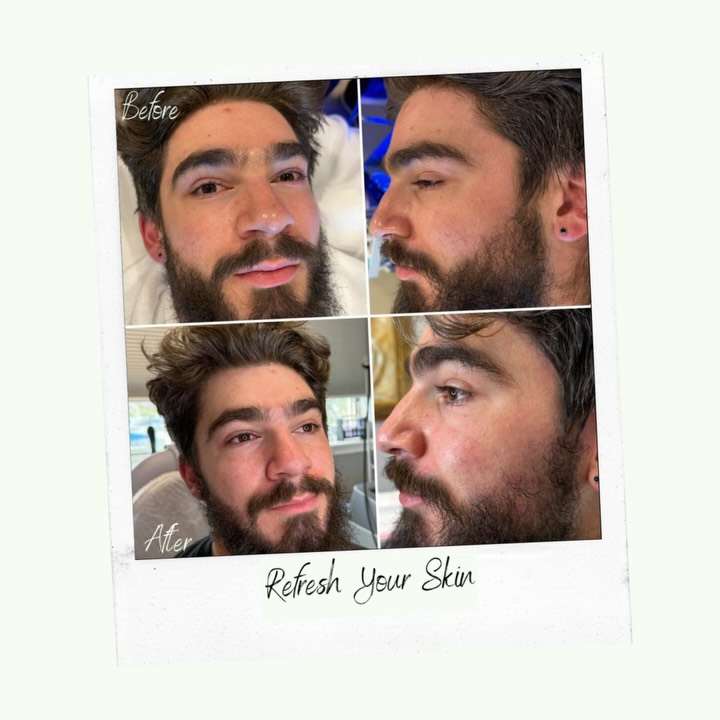
With chemical peels, some people notice fresher-looking skin once their skin has healed. Stubborn pigmentation, though, may take a series of treatments.
The American Academy of Dermatology says a superficial, or “lunchtime”, peel may require 3 to 5 treatments to achieve the results you want. The exact number varies with the peel and your goals.
Neither treatment can promise a specific result by a specific date. Before you start, your provider should walk you through the expected recovery and a realistic timeline.
How Long Do The Results Last?
Results from Fraxel or chemical peels aren’t necessarily permanent. Even after your pigmentation improves, new discoloration can show up with sun exposure, hormonal changes, inflammation, or just normal aging.
Daily broad-spectrum sunscreen and sticking to your aftercare instructions go a long way toward keeping your results. Your provider may also suggest a home skincare routine that suits you.
What maintenance looks like depends on what you came in with and which treatment you had. Some people do fine with the occasional professional treatment. Others need to start with sun protection and sort out what’s causing the pigmentation in the first place.
Can Fraxel And Chemical Peels Be Combined?
They can be, in some cases. Your provider might treat one pigmentation concern first and save a peel or another treatment for after your skin has healed.
That said, doing more doesn’t guarantee better results. Timing, depth, skin sensitivity, and the risk of irritation all factor in.
Unless your provider has laid out a plan, don’t schedule Fraxel and a peel close together. Overworking the skin invites more inflammation and a bigger risk of pigment changes you didn’t want.
At Bala Medi Spa, the idea is a plan that fits your skin, not a long menu of procedures. Sometimes one treatment is the smarter choice over several.
Which Treatment Should You Choose?
A good place to start is figuring out which concern bothers you most.
Fraxel 1927 may be worth bringing up if:
- Your main concern is certain sun spots, age spots, or freckles.
- You want a laser-based option for pigmentation that suits it.
- You can stick to the preparation, recovery, and sun-protection routine.
A chemical peel may be worth bringing up if:
- You’d like to improve dullness and uneven-looking tone.
- Your provider thinks a particular peel formula is right for your skin.
- You’d rather start with controlled exfoliation.
A consultation matters even more if:
- You have melasma, or pigmentation that keeps coming back.
- Your skin tends to darken after acne, irritation, or procedures.
- You’ve had cold sores or scarring, have sensitive skin, or have recently used certain medications.
- You’re not sure whether a dark spot is cosmetic or needs a medical skin check.
Any new or changing spot should be looked at by a medical professional before you have a cosmetic treatment. Aesthetic procedures aren’t meant to diagnose a skin lesion, or to wave away one that could be a problem.
What Is Trending In Skin Rejuvenation In 2026?
The conversation has moved toward personalization, away from the idea that one treatment suits everybody. A lot of people want skin that looks healthier and more even, but still looks like theirs.
So treatment planning now weighs several things together: the type of pigmentation, skin texture, sensitivity, lifestyle, how much downtime you can take, and your long-term skincare habits.
Younger adults are also looking into professional treatments for things like post-acne marks and sun damage. Still, the decision should come from a real concern and a professional assessment, not your age or what’s popular on social media.
Technology can help make treatment more targeted, but it doesn’t replace clinical judgment. The best approach matches your actual concern, uses the right technology or peel formulation, and keeps safety and recovery in view.
Safety Matters More Than Choosing The Strongest Treatment
Fraxel systems are cleared for specific uses, including certain pigmented lesions with the 1927 nm wavelength. But not every type of discoloration is a match for Fraxel, and not every laser setting suits every person.
Peels differ a lot as well, in formula and in depth. The American Academy of Dermatology says they should be done under a licensed, trained provider, since improper use can cause serious injury.
Side effects depend on the treatment and can include redness, swelling, dryness, flaking, irritation, and temporary darkening or lightening of the skin. More serious complications can happen, especially when a treatment isn’t right for you or the aftercare instructions aren’t followed.
It’s also worth being precise about regulatory language. FDA clearance or approval applies to specific devices and specific intended uses. It isn’t a blanket guarantee that every aesthetic treatment, skincare product, or chemical peel is FDA-approved or risk-free.
Before you go ahead, ask about the provider’s training and experience, how much downtime to expect, possible complications, how to prepare, and what aftercare looks like. A thorough consultation is part of getting a safer, more realistic plan.
Personalized Skin Care At Bala Medi Spa
Choosing between Fraxel and a chemical peel begins with understanding your skin and setting realistic goals. The right option depends on the type of pigmentation, how your skin has responded to past treatments, and how much recovery time you can manage.
At Bala Medi Spa in Bel Air, Maryland, a consultation can help you explore suitable skin rejuvenation options and talk through a plan built around your concerns. If you’re also researching the best microneedling with PDRN in Bel Air, MD, ask whether it addresses your particular goals. It’s a different approach and shouldn’t be treated as a direct substitute for Fraxel or a chemical peel.
You don’t have to pick a treatment because it’s trending, or assume the most intensive option is always better. A thoughtful plan, the right treatment, and consistent aftercare can support healthier-looking skin over time.
Ready to explore your options? Contact Bala Medi Spa in Bel Air, MD, to schedule a consultation and talk about which approach might suit your skin.
Case Studies
Book Online
-
Advanced Microneedling With PDRN In Bel Air, MD
$300.00 Add to cart -
Botox $14 Per Unit At Bala Med Spa In Bel Air, MD
$14.00 Add to cart -
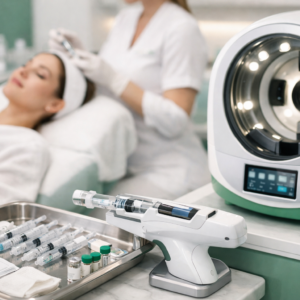
Cosmetic Injectables Treatment In Bel Air, MD
$600.00 Add to cart -
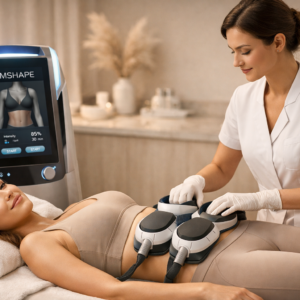
EMShape Body Sculpting At Bala Medispa In Bel Air MD
$200.00 Add to cart -
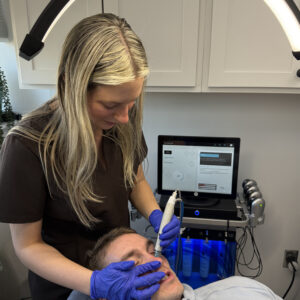
HydraFacial & Chemical Peel Treatment In Bel Air, MD
$235.00 Add to cart -
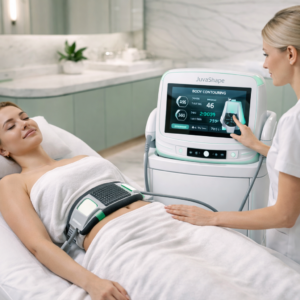
JuvaShape Body Contouring Treatment In Bel Air MD
$525.00 Add to cart
Tags:Bala Medi SpaChemical Peel for Dark SpotsChemical Peels Bel Air MDFraxelFraxel 1927Fraxel Bel Air MDFraxel for Sun DamageFraxel PigmentationFraxel vs Chemical PeelFraxel vs Chemical Peel for PigmentationFraxel vs Chemical PeelsPigmentation Treatment Comparisonskin resurfacingSkinMedica PeelUneven Skin Tone TreatmentVI Peel