Winter can change how your skin looks and feels. You may notice dry patches, more visible dark spots, uneven texture, or breakouts that seem difficult to control.The challenge is that these concerns do not always have the same cause. A moisturizer may help dryness, but it will not necessarily address pigmentation or persistent adult acne.So, …


Winter can change how your skin looks and feels. You may notice dry patches, more visible dark spots, uneven texture, or breakouts that seem difficult to control.
The challenge is that these concerns do not always have the same cause. A moisturizer may help dryness, but it will not necessarily address pigmentation or persistent adult acne.
So, what should your winter skin plan actually focus on? Start by identifying your main concern, understanding what may be causing it, and choosing skincare or professional treatments that match your skin’s needs.
At Bala Aesthetics & Medi Spa in Bel Air, Maryland, a personalized skin assessment can help you explore suitable options for winter skin concerns, from hydration-focused facials to pigmentation and skin rejuvenation treatments.
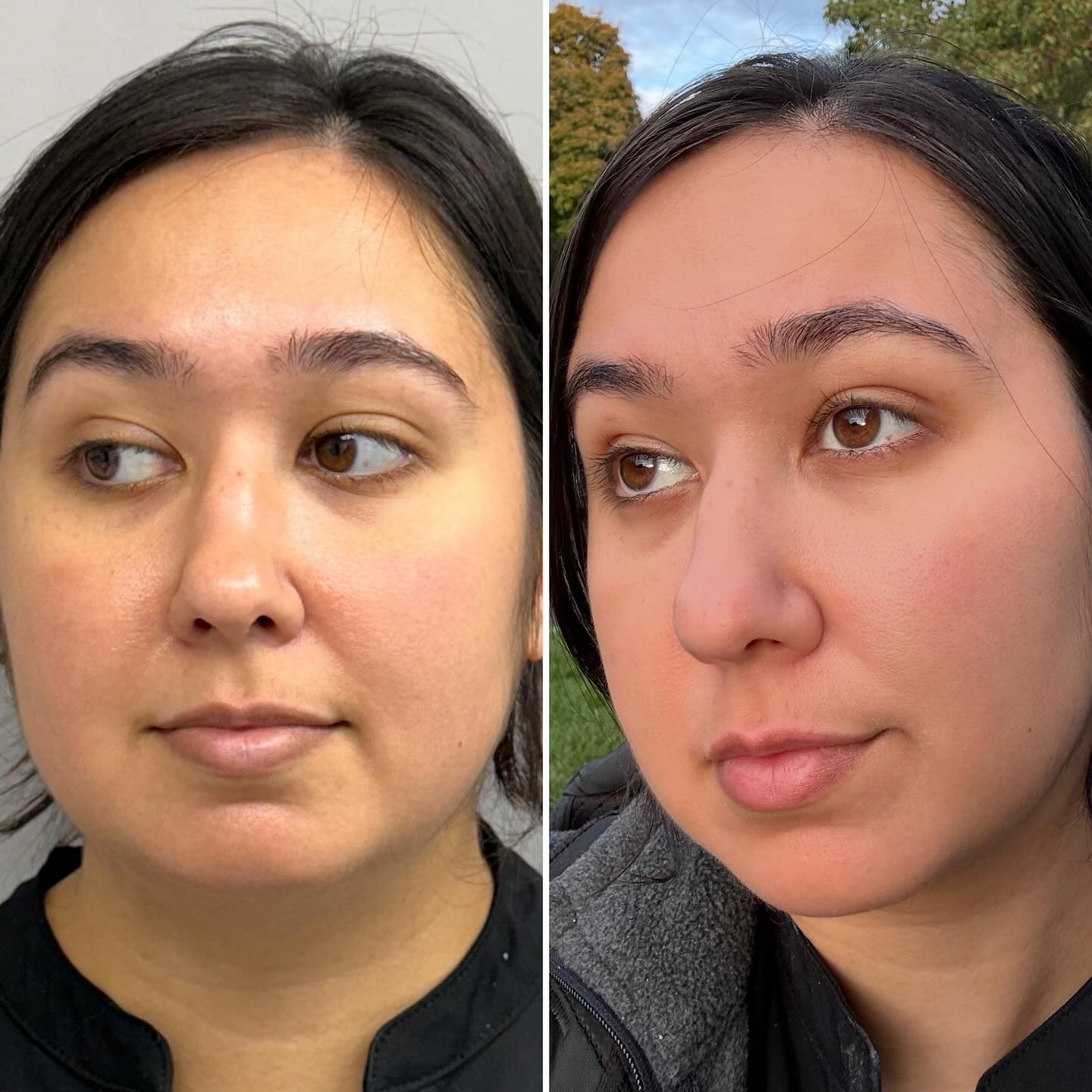
1. Dark Spots And Uneven Skin Tone
Dark spots can become more noticeable after months of sun exposure. Previous acne breakouts, skin irritation, hormonal changes, and inflammation can also leave areas of excess pigmentation.
This discoloration is commonly called hyperpigmentation. Its appearance and treatment depend on the underlying cause and how deeply pigment sits within the skin.
A few common types include:
- Sun spots: Flat, darker areas associated with cumulative sun exposure.
- Post-inflammatory hyperpigmentation: Dark marks that remain after acne, irritation, or an injury heals.
- Melasma: Patches of brown or gray-brown discoloration that are often influenced by hormones and sun exposure.
The first step is understanding which type of pigmentation you have. Not every dark spot should be treated with the same laser or peel.
Which Treatments May Help?
Depending on the pigmentation concern, a provider may discuss:
Fraxel laser: Certain fractional laser treatments can improve the appearance of sun damage, uneven pigmentation, and skin texture. The appropriate wavelength and treatment settings depend on the condition being addressed and your skin type.
Chemical peels: Selected peel formulations help exfoliate the skin and may improve some forms of superficial discoloration. The peel’s strength, ingredients, and suitability matter.
Professional skincare: A consistent routine with sunscreen and suitable ingredients can support pigmentation management and help prevent new discoloration.
At Bala Medi Spa in Bel Air, a skin assessment can help determine whether Fraxel, a chemical peel, or a different approach is more appropriate.
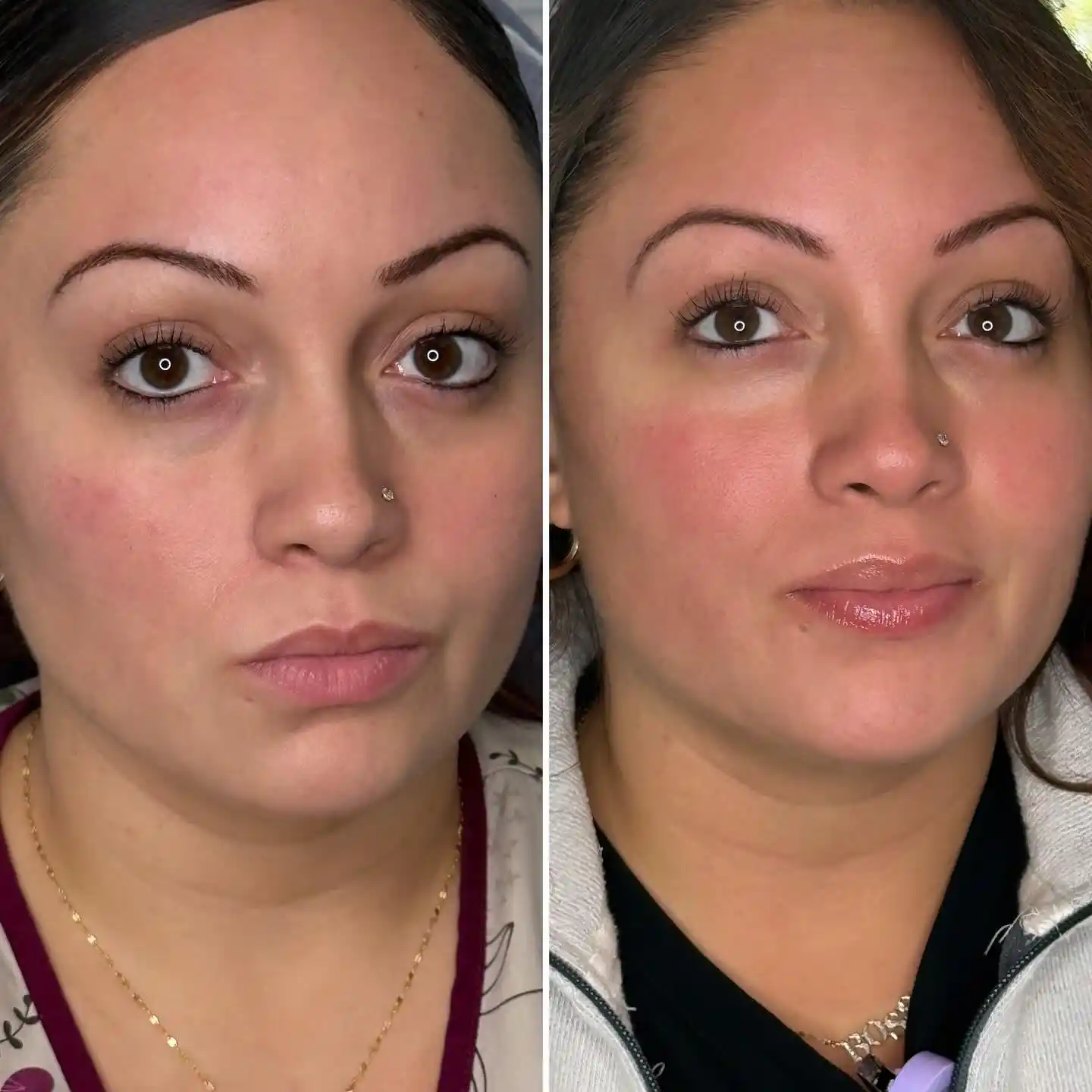
2. Dry Skin And Winter Dehydration
Cold outdoor air, indoor heating, and low humidity can make skin feel tight, rough, flaky, or uncomfortable.
Your skin barrier helps retain moisture and protect against external irritants. When it becomes compromised, dryness and sensitivity can become more noticeable.
The American Academy of Dermatology recommends adjusting winter skincare habits to help protect the skin barrier. This includes using a gentle cleanser, choosing a suitable moisturizer, and avoiding unnecessarily hot showers.
What Can You Do At Home?
A few simple changes can make a difference:
- Use a gentle, moisturizing cleanser.
- Choose a cream-based moisturizer if your skin feels particularly dry.
- Avoid excessive exfoliation and harsh scrubs.
- Apply moisturizer while your skin is slightly damp.
- Use broad-spectrum SPF 30 or higher, even during winter.
- Consider a humidifier if indoor heating makes your environment particularly dry.
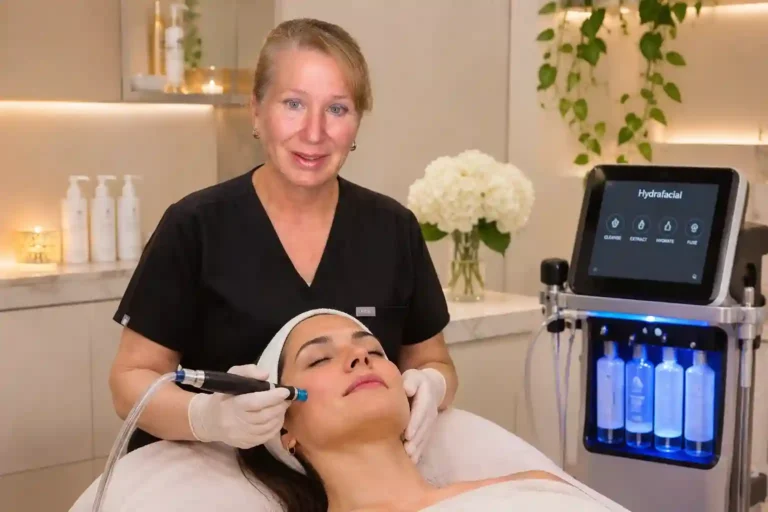
If your skin feels dehydrated and looks dull, a professional Hydrafacial may be worth discussing.
Can Hydrafacial help?
Hydrafacial is a non-invasive facial treatment that combines cleansing, exfoliation, extraction, and the application of hydrating skincare solutions.
It may help improve the appearance of dullness, surface congestion, and dehydration while leaving the skin looking refreshed.
However, it does not replace treatment for eczema, persistent dermatitis, or other medical skin conditions. If your skin is irritated or inflamed, an assessment should come before treatment.
For people looking for skin rejuvenation in Bel Air, Hydrafacial can be one option within a broader skincare plan.
3. Acne And Persistent Breakouts
Acne is not limited to teenagers. Some people continue experiencing breakouts into their 30s and 40s, while others develop acne for the first time during adulthood.
According to the American Academy of Dermatology, adult acne affects up to 15% of women.
Adult acne may appear around the chin, jawline, cheeks, and forehead. Hormonal changes, genetics, certain medications, skincare products, and other factors can contribute.
Common signs include:
- Blackheads and whiteheads
- Inflamed pimples
- Deeper, painful breakouts
- Repeated breakouts around the jawline
- Dark marks left behind after acne heals
It is important to distinguish active acne from acne marks. They may look related, but they require different approaches.
What Should Your Acne Treatment Plan Address?
For mild breakouts, a suitable skincare routine may include ingredients such as salicylic acid or benzoyl peroxide, depending on your skin and tolerance.
For persistent or inflammatory acne, a dermatologist may recommend prescription treatment. Cosmetic facials alone should not be treated as a substitute for medical acne management.
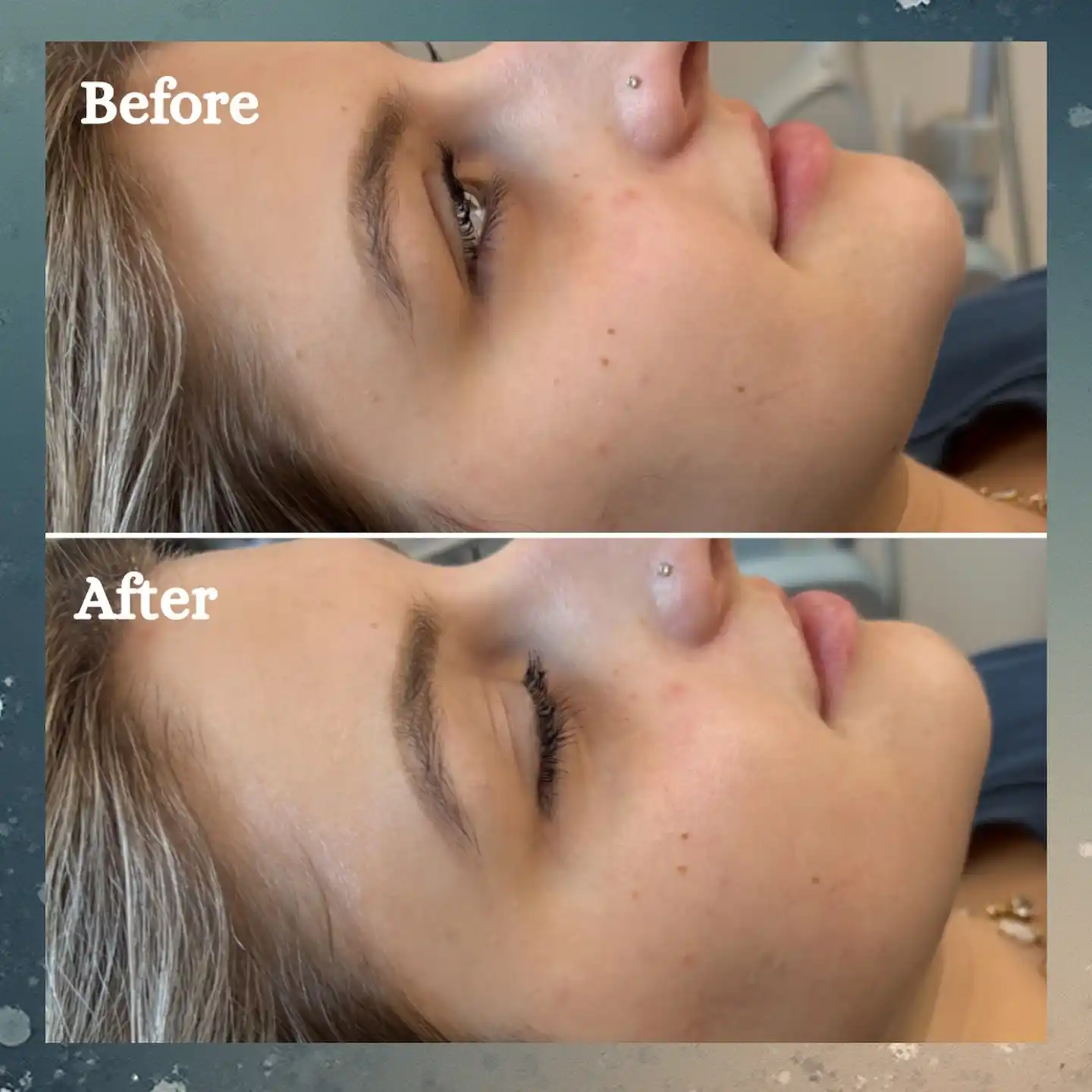
Once active breakouts are controlled, professional treatments may help address the marks and texture left behind.
Depending on the type of scarring and skin condition, options may include selected chemical peels, fractional laser treatments, or other professionally recommended procedures.
If you experience painful cysts, recurring inflammation, or scarring, seek a medical assessment before choosing a cosmetic treatment.
How Do You Know Which Winter Skin Treatment Is Right for You?
The best treatment depends on your primary concern, skin type, medical history, and desired outcome. Choosing a procedure simply because it is popular may not address the problem you actually have.
Here is a practical comparison:
If dark spots are your main concern: Start with a pigmentation assessment. Fraxel or a suitable chemical peel may be considered, depending on the cause of discoloration and your skin tone.
If dryness and dullness are your main concerns: Focus on barrier-supporting skincare and hydration. A Hydrafacial may be an option if your skin is suitable for the treatment.
If active acne is your main concern: Identify the type and severity of acne first. Medical acne management may be needed before considering cosmetic procedures.
If you have acne marks and uneven texture: Once active acne is controlled, a provider may discuss treatments that target post-acne discoloration or scarring.
Why Skin Assessment Matters Before Combining Treatments
Fraxel, chemical peels, Hydrafacial, and acne-focused treatments work in different ways.
Combining them without considering treatment intensity, timing, and skin sensitivity can increase irritation and may worsen pigmentation in some individuals.
A professional assessment should consider:
- Your skin type and current condition
- Whether pigmentation is superficial or deeper
- Whether acne is active or controlled
- Your current skincare products and medications
- Previous reactions to peels, lasers, or facials
- Your recovery expectations and treatment goals
At Bala Aesthetics & Medi Spa in Bel Air, Maryland, treatment recommendations are based on your individual skin assessment and the options appropriate for your concerns.
What Is Changing In Skincare And Aesthetic Treatments In 2026?
Skincare in 2026 continues to move toward personalized routines, targeted procedures, and more realistic treatment expectations.
Instead of treating every concern with the same facial or product, people are increasingly interested in understanding what their skin actually needs.
The focus is on improving visible skin concerns while maintaining a natural appearance. Treatments are selected according to individual goals rather than pursuing an overly aggressive result.
Build A Winter Skin Plan At Bala Medi Spa In Bel Air, MD
Winter is a useful time to reassess your skincare routine, especially if you are dealing with dark spots, dryness, acne, or uneven skin texture.
But the right plan should begin with your skin concern, not a predetermined treatment.
At Bala Aesthetics & Medi Spa in Bel Air, Maryland, you can discuss your goals and explore appropriate options, including Fraxel, chemical peels, Hydrafacial, and other skin rejuvenation treatments where suitable.
Whether you are searching for a Bel Air med spa, exploring cosmetic treatments in Bel Air, MD, or looking for professional guidance near you, make sure your treatment choices are based on your skin’s actual needs.
Case Studies
Book Online
-
Advanced Microneedling With PDRN In Bel Air, MD
$300.00 Add to cart -
Botox $14 Per Unit At Bala Med Spa In Bel Air, MD
$14.00 Add to cart -
Cosmetic Injectables Treatment In Bel Air, MD
$600.00 Add to cart -
EMShape Body Sculpting At Bala Medispa In Bel Air MD
$200.00 Add to cart -
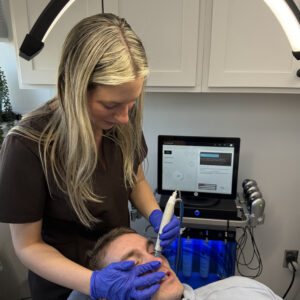
HydraFacial & Chemical Peel Treatment In Bel Air, MD
$235.00 Add to cart -

JuvaShape Body Contouring Treatment In Bel Air MD
$525.00 Add to cart
Tags:Acne TreatmentAdult AcneBala Medi SpaChemical Peels Bel Air MDDark Spot Treatment Bel Air MDDry Skin CareFraxel Laser Bel AirHydrafacial Bel Air MDHyperpigmentation TreatmentMedical Spa Bel Air MDSkin AssessmentSkin Rejuvenation Bel AirUneven Skin ToneWinter Skin Care RoutineWinter Skin ConcernsWinter Skincare