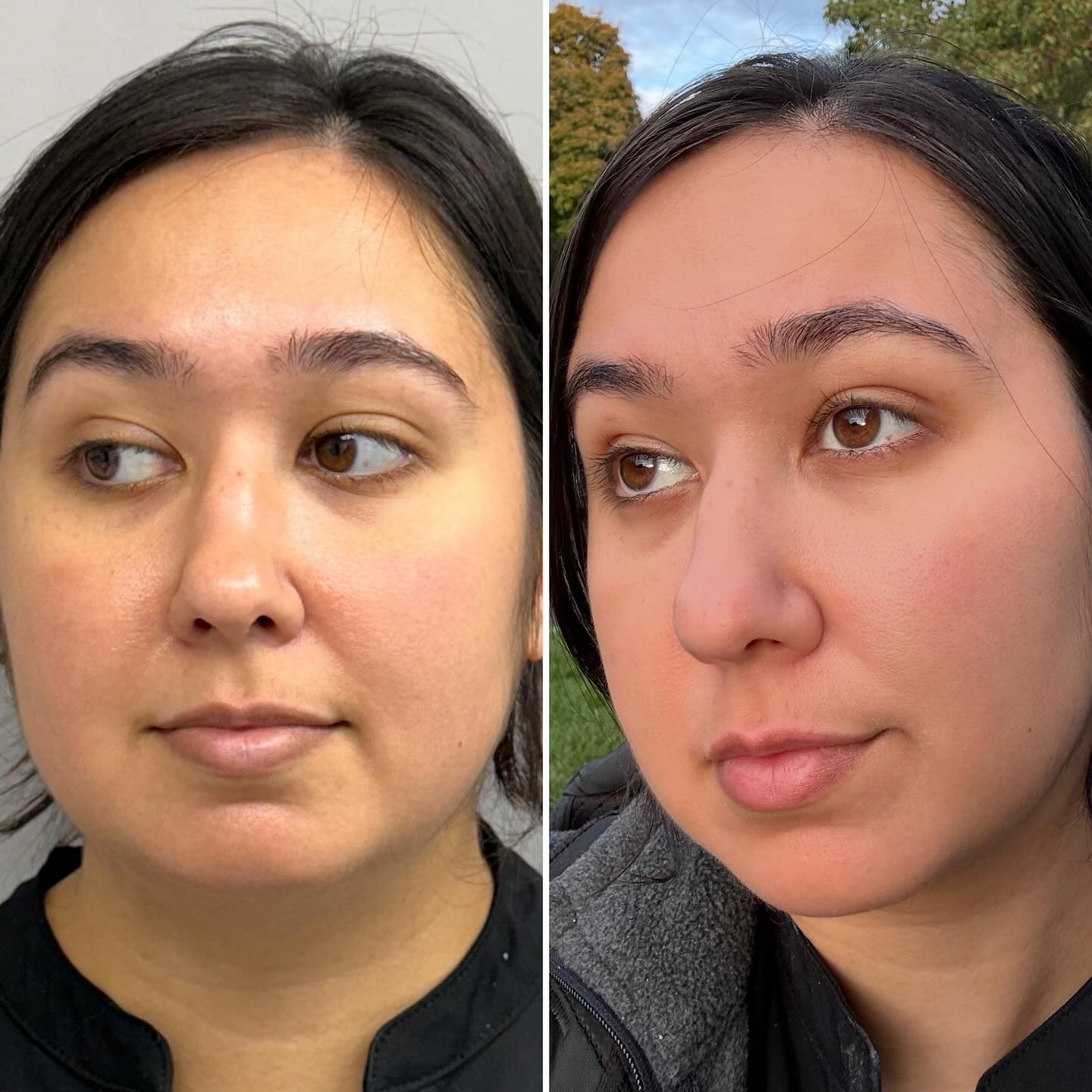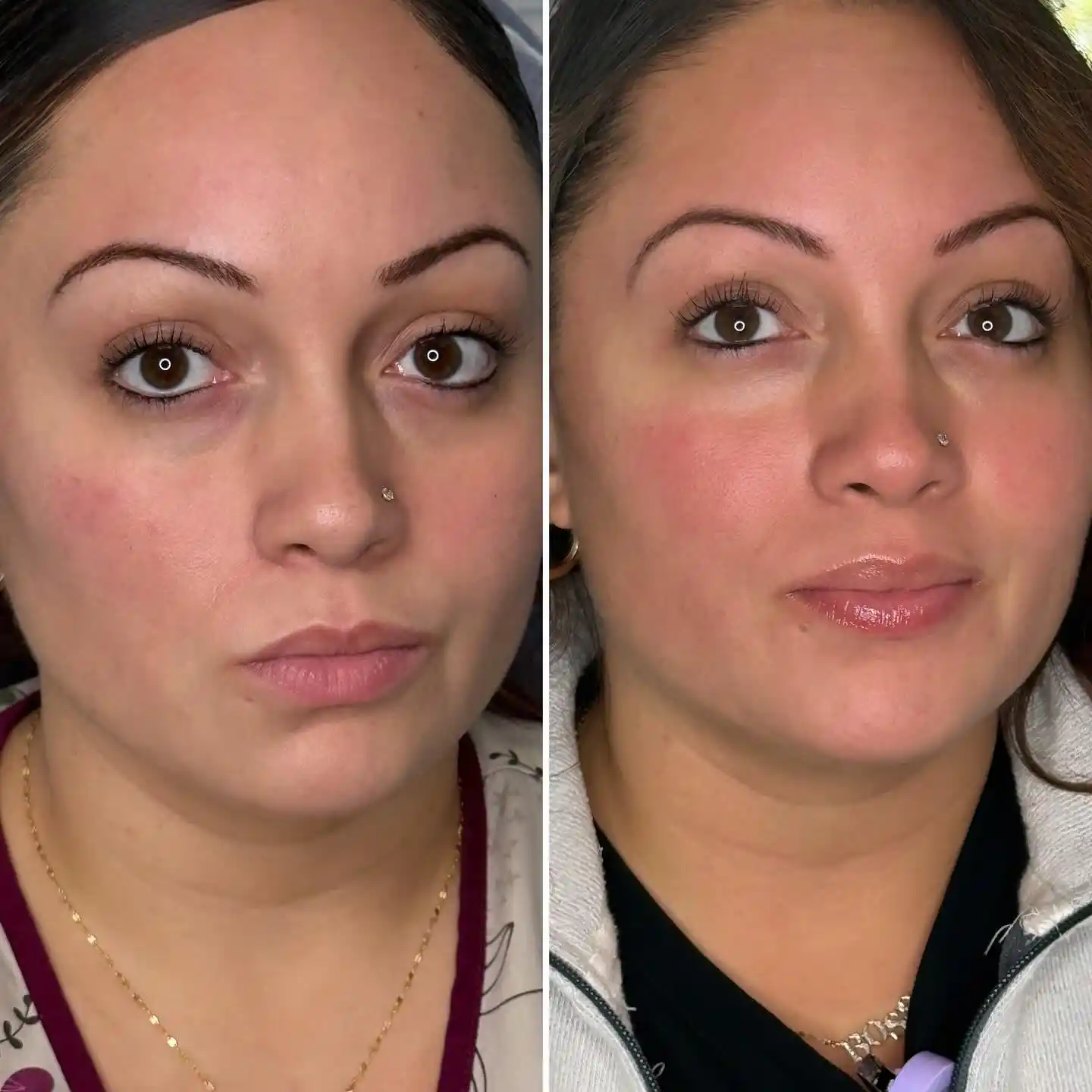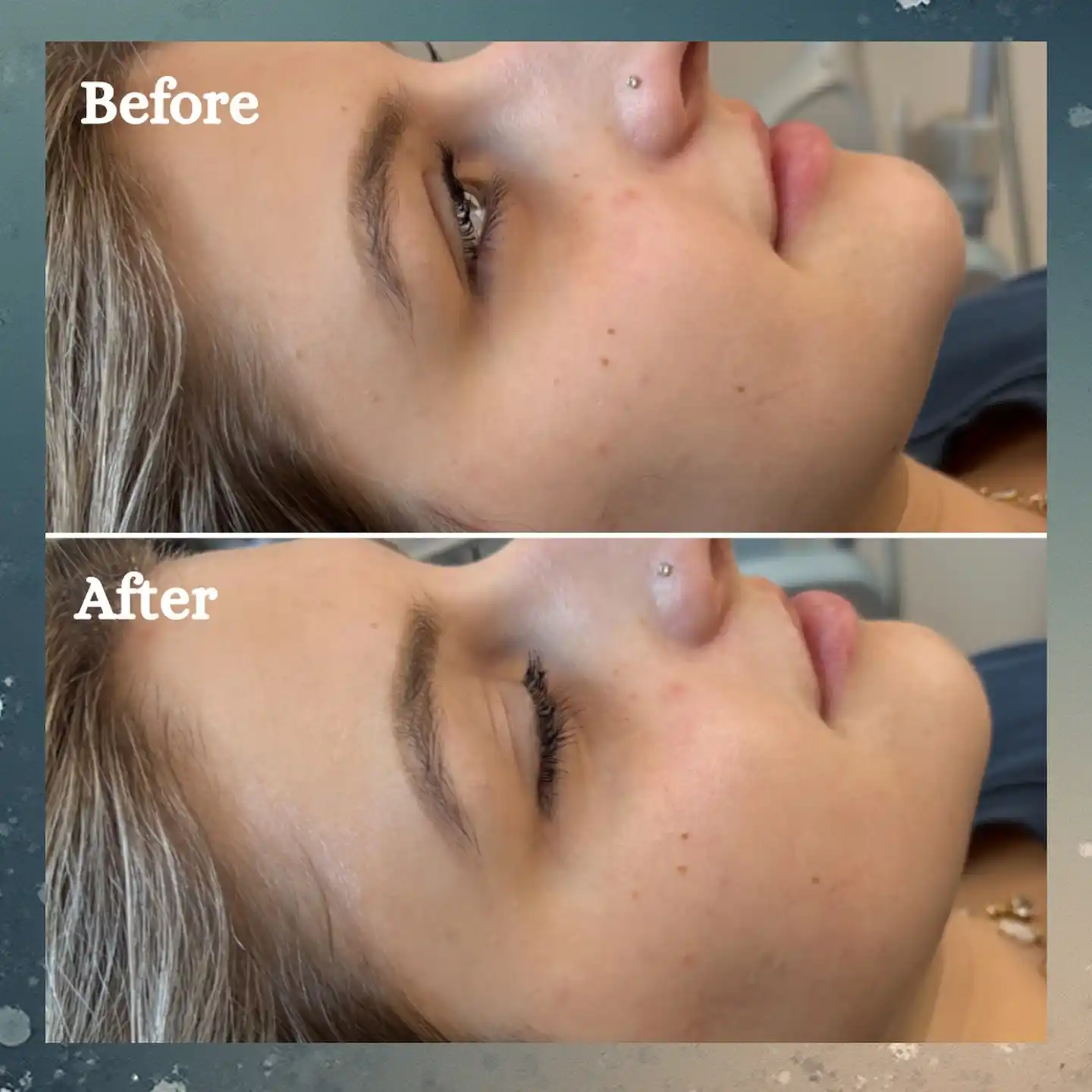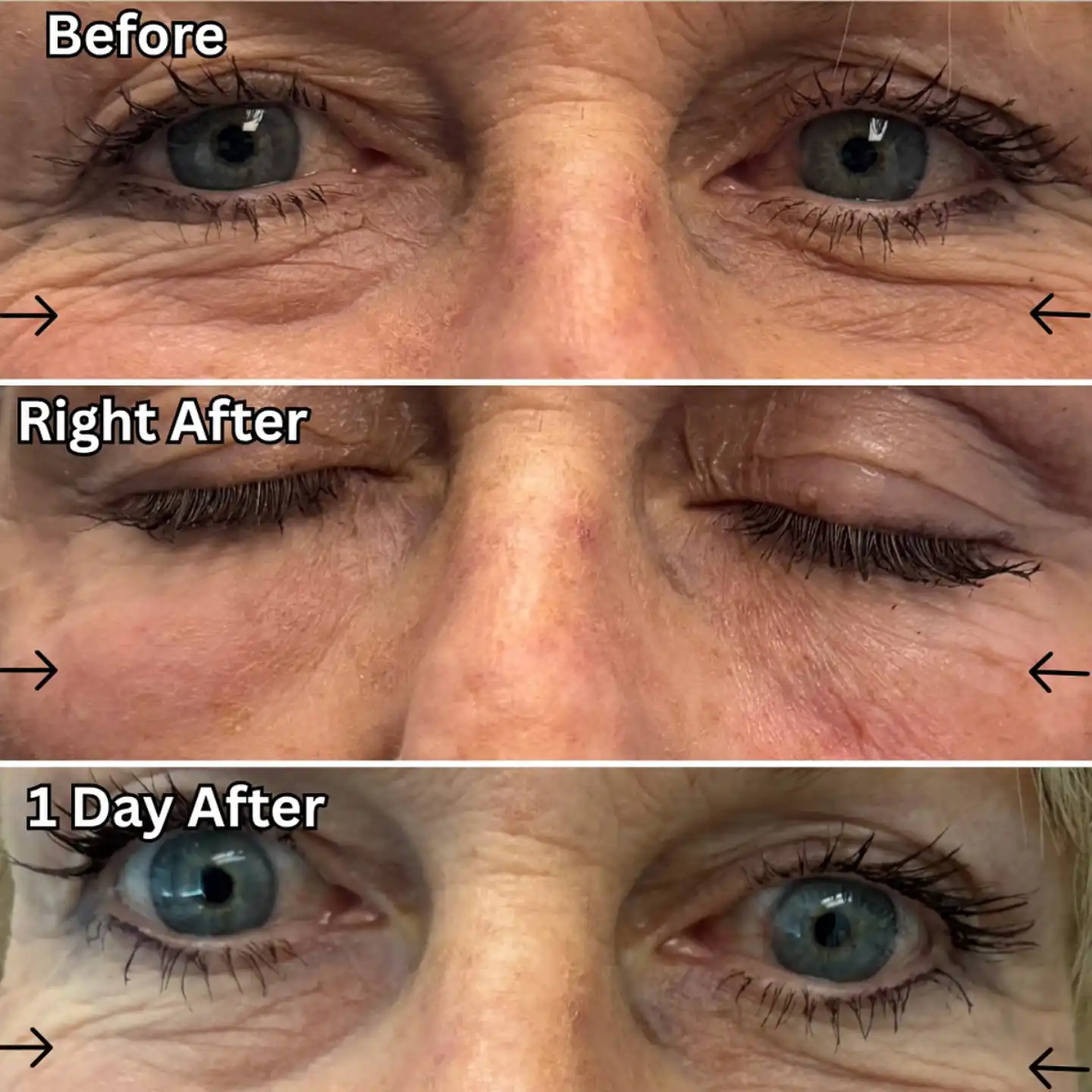
Thinking about a chemical peel before Thanksgiving, Christmas, or a big holiday party? Smart move, but timing matters. Nobody wants to walk into a party with flaky, red, or sensitive skin.Peels can help with uneven tone, dullness, fine lines, acne marks, and certain kinds of pigmentation. How long your skin needs to settle, though, depends …

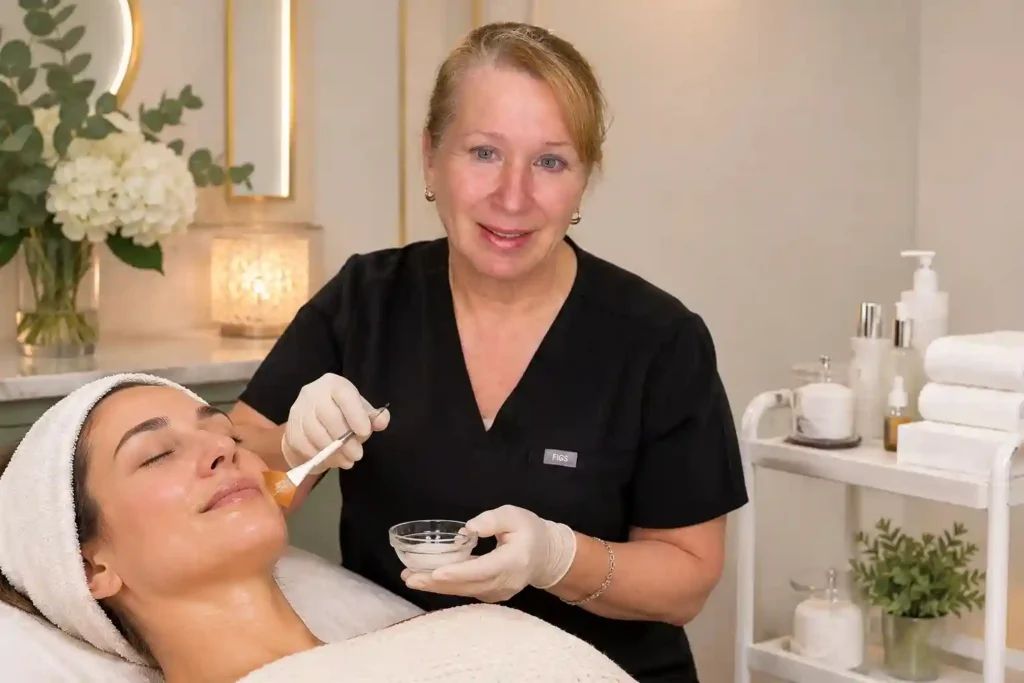
Thinking about a chemical peel before Thanksgiving, Christmas, or a big holiday party? Smart move, but timing matters. Nobody wants to walk into a party with flaky, red, or sensitive skin.
Peels can help with uneven tone, dullness, fine lines, acne marks, and certain kinds of pigmentation. How long your skin needs to settle, though, depends on the peel you pick and how your skin reacts. So how early should you book? Here’s what to know.
Why Timing Matters
A chemical peel uses a carefully chosen solution to exfoliate your skin. Depending on the formula and strength, it either removes surface cells or works deeper to encourage renewal.
Afterwards, you might see redness, tightness, dryness, flaking, or full-on peeling. That’s normal healing, but how intense it gets varies from person to person. If you book too close to your event, you could be dealing with peeling right when you want your skin to look calm.
At Bala Aesthetics & Medi Spa in Bel Air, Maryland, we start by matching the peel to your skin concerns and the downtime you can realistically spare.
How Long Does Recovery Take?
Not all peels heal on the same schedule. Depth, ingredients, how the peel is applied, and your own skin all play a part. The American Academy of Dermatology offers these general estimates:
- Light (superficial) peels: Recovery is short. Skin may look red at first, followed by mild scaling or flaking. Healing takes roughly 1 to 7 days, and scaling can sometimes linger another 3 to 7 days.
- Medium-depth peels: These go deeper, so expect more redness, swelling, and peeling. Healing runs about 7 to 14 days, and aftercare and follow-up matter more.
- Deep peels: These mean a much longer recovery, around 14 to 21 days, with intensive aftercare and medical supervision. They aren’t a pre-event treatment and belong in a proper medical setting.
These are broad categories, not a promise for any specific VI Peel or SkinMedica peel. Your provider should explain what to expect from the exact formula they plan to use.
When To Book A VI Peel
VI Peel is a professional line with different formulas for different concerns. According to the manufacturer, visible peeling usually begins around day three and lasts about three to four days. Some people peel longer, some for less time, and a first treatment can feel different from later ones.
So don’t plan around peeling wrapping up on a particular day. For the holidays, here’s a rough guide:
- 3 to 4 weeks before your event: Plenty of room for a first-time peel, recovery, and follow-up advice.
- 2 to 3 weeks before: Can work for some established treatment plans, depending on the peel and how your skin responds.
- 1 week before: Not ideal if the peel is likely to cause visible peeling or noticeable sensitivity.
- 1 to 3 days before: Skip anything new or stronger this close to an important occasion.
Your provider may suggest leaving even more time, especially if your skin is sensitive, you’ve had pigmentation changes, or you tend to heal slowly.
What About SkinMedica Peels?
SkinMedica offers several professional peels, including the Vitalize Peel, which is often used for uneven tone, fine lines, rough texture, and other visible imperfections. Some protocols involve mild to moderate peeling, but results differ from person to person. Don’t assume every SkinMedica peel has the same downtime, or that everyone will peel visibly.
If you’re considering one before a holiday event, ask which formula is planned and what downtime to expect. The peel should fit your skin goals and your calendar.
What Can Chemical Peels Treat?
Peels address a range of cosmetic concerns, but the right formula depends on what you’re treating:
- Dark spots and uneven pigmentation: Some peels can soften superficial discoloration and even out tone. Melasma and deeper pigmentation need a closer look, since the wrong treatment can make them worse.
- Acne and post-acne marks: Certain formulas contain ingredients like salicylic acid, which can help with clogged pores and acne-prone skin. Marks left behind may fade with the right plan.
- Fine lines and dull skin: Exfoliation can improve texture and soften fine lines. Deeper wrinkles usually need a different or combined approach.
- Rough texture and sun damage: Some peels clear away damaged surface cells and can improve roughness and certain signs of sun damage.
A consultation will tell you whether a VI Peel, a SkinMedica peel, another peel, or a different treatment altogether makes the most sense.
What Happens At A Peel Appointment?
Protocols vary, but most visits go something like this:
- Skin assessment. Your provider reviews your concerns, medical history, current products, past treatments, and any history of pigmentation changes or sensitivity.
- Preparation. Your skin is cleansed and prepped for the specific peel. Some treatments call for a period of pre-treatment skincare before the appointment.
- Application. The solution is applied according to the formula’s instructions, which differ between peel types.
- Aftercare instructions. You’ll learn how to cleanse, moisturize, protect your skin from the sun, when to hold off on exercise, and which products to avoid while you heal.
Please follow those instructions. Picking, pulling, or scrubbing peeling skin can irritate it further and raise the risk of complications.
How Long Do Results Last?
Peel results aren’t permanent. Your skin keeps aging, and new pigmentation, sun damage, and texture changes can appear over time.
After a superficial peel, some people notice smoother-looking skin once healing is done, and a series of treatments may be suggested for certain concerns. Medium peels can deliver more noticeable improvement, but they come with more downtime and closer follow-up.
Results depend on the formula, the concern, your skin’s condition, and your home routine. Daily sunscreen matters most if you want to keep improvements in pigmentation and sun damage.
Getting Your Skin Ready
A little preparation helps your skin handle the treatment more comfortably. Before your appointment:
- Tell your provider about prescription medications and active skincare ingredients.
- Mention recent waxing, laser treatments, or exfoliating procedures.
- Bring up cold sores, skin infections, irritation, or a history of abnormal scarring.
- Follow the pre-peel instructions for your specific treatment.
- Avoid tanning and too much sun.
- Don’t start strong exfoliating products without professional guidance.
Afterwards, use only the recommended products and stick to the schedule you were given. Don’t pick at loose skin, and wait to restart retinoids, acids, scrubs, or other actives until you’ve been told it’s okay.
What's Changing In Chemical Peels In 2026?
Skincare in 2026 keeps moving toward personalized plans, gradual improvement, and pairing professional treatments with steady home care. Instead of asking for the strongest peel available, more people are asking what suits their skin type, concerns, lifestyle, and schedule.
Three things stand out:
- Personalized peel selection: The formula and depth should match the concern, not follow a one-size-fits-all approach.
- Combination planning: Some people do well with a broader plan that mixes skincare, peels, or other procedures. Treatments need proper spacing, though, and shouldn’t be stacked just to get faster results.
- Realistic recovery expectations: More people now plan treatments around work, travel, and social events, so knowing the downtime before you book is part of a good decision.
The best treatment isn’t always the most intensive one. It’s the one that fits your skin and your goals.
Safety: What To Check Before You Book
Peels can cause temporary redness, dryness, peeling, and sensitivity. More serious complications can include infection, scarring, and pigmentation changes. The FDA has also warned consumers against using high-strength peel products without professional supervision, since misuse can cause serious chemical burns.
Before booking, ask your provider:
- Which exact peel formula will be used?
- Is it right for my skin tone and skin condition?
- How much visible peeling should I expect?
- Which products should I stop using beforehand?
- How long will recovery take?
- Who do I contact if I have an unexpected reaction?
If you have active skin infections, open wounds, significant irritation, a history of keloid scarring, or a tendency toward post-inflammatory hyperpigmentation, mention it before treatment.
Plan Your Peel At Bala Medi Spa In Bel Air, MD
Holiday skin planning should start with your skin, not just the date of your event. At Bala Aesthetics & Medi Spa in Bel Air, Maryland, you can talk through your concerns, expected downtime, and suitable professional peels, including VI Peel and SkinMedica peels where available.
Whether you’re after dark spots, uneven tone, fine lines, acne marks, or dull skin, a personalized assessment can point you in the right direction. And if you’re searching for a Bel Air med spa or exploring cosmetic treatments in Bel Air, MD, ask about the specific peel formula, provider qualifications, aftercare, and realistic recovery before you book.
Planning a peel before the holidays? Contact Bala Medi Spa in Bel Air to set up a consultation and map out a timeline that gives your skin time to recover.
Case Studies
Book Online
-
Advanced Microneedling With PDRN In Bel Air, MD
$300.00 Add to cart -
Botox $14 Per Unit At Bala Med Spa In Bel Air, MD
$14.00 Add to cart -
Cosmetic Injectables Treatment In Bel Air, MD
$600.00 Add to cart -
EMShape Body Sculpting At Bala Medispa In Bel Air MD
$200.00 Add to cart -
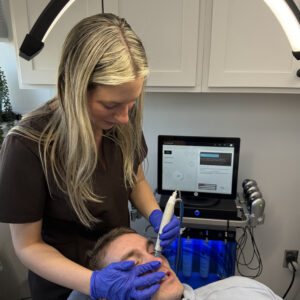
HydraFacial & Chemical Peel Treatment In Bel Air, MD
$235.00 Add to cart -

JuvaShape Body Contouring Treatment In Bel Air MD
$525.00 Add to cart