
Exfoliate • Hydrate • Renew

Chemical Peels: A Skin Transformation Case Study In Bel Air, MD

Healthy-Looking Skin Starts With Understanding Your Skin’s Needs. Whether You Struggle With Acne, Uneven Skin Tone, Dark Spots, Rough Texture, Or Early Signs Of Aging, A Chemical Peel Can Help Improve Your Complexion. Explore Chemical Peel Treatment In Bel Air, MD For A Personalized Approach To Skin Rejuvenation.

At Bala Aesthetics & Medispa, Treatment Options May Include SkinMedica Peels & Other Professional Chemical Peels Based On Your Skin Type & Concerns. This Case Study Highlights Personalized Treatment & Recovery.

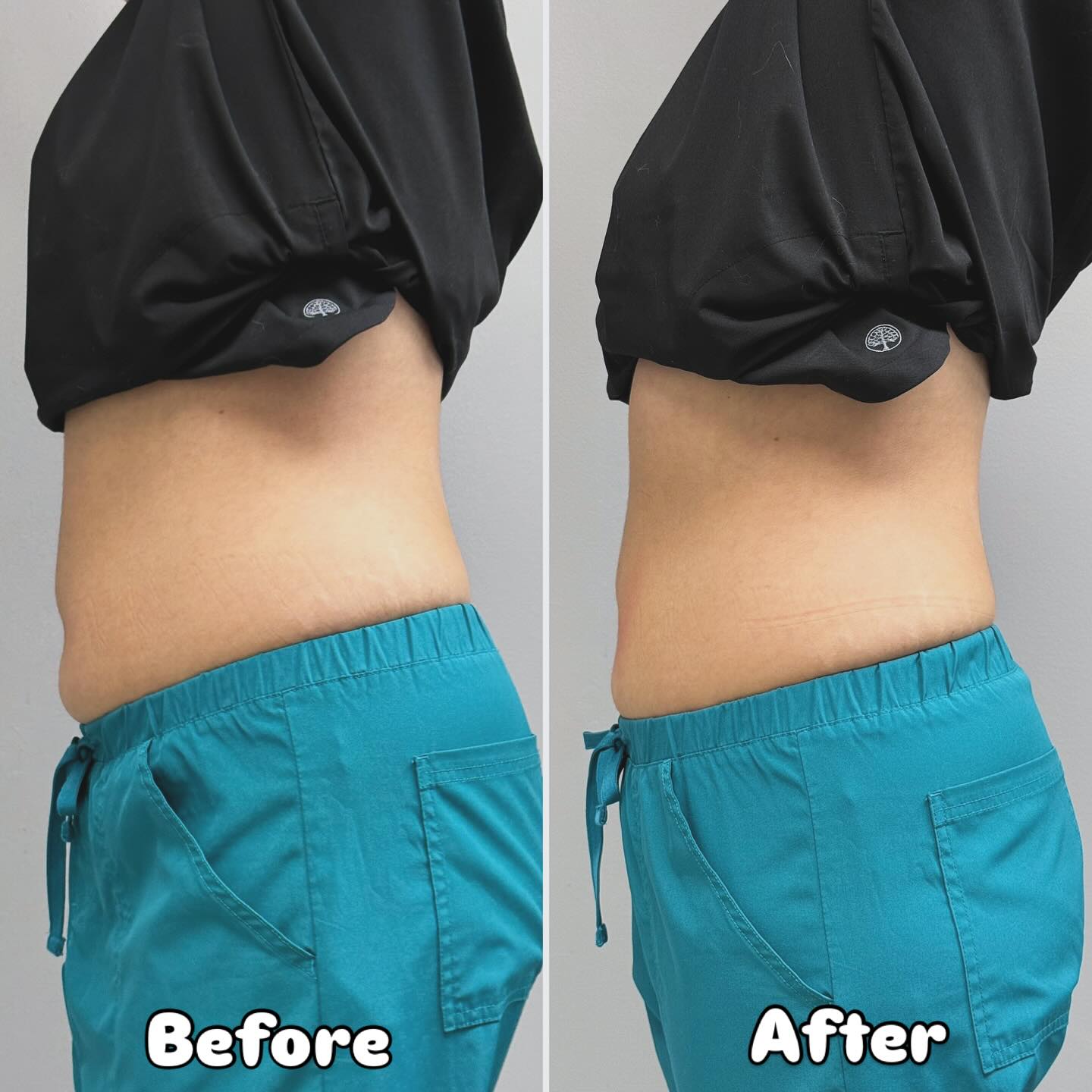
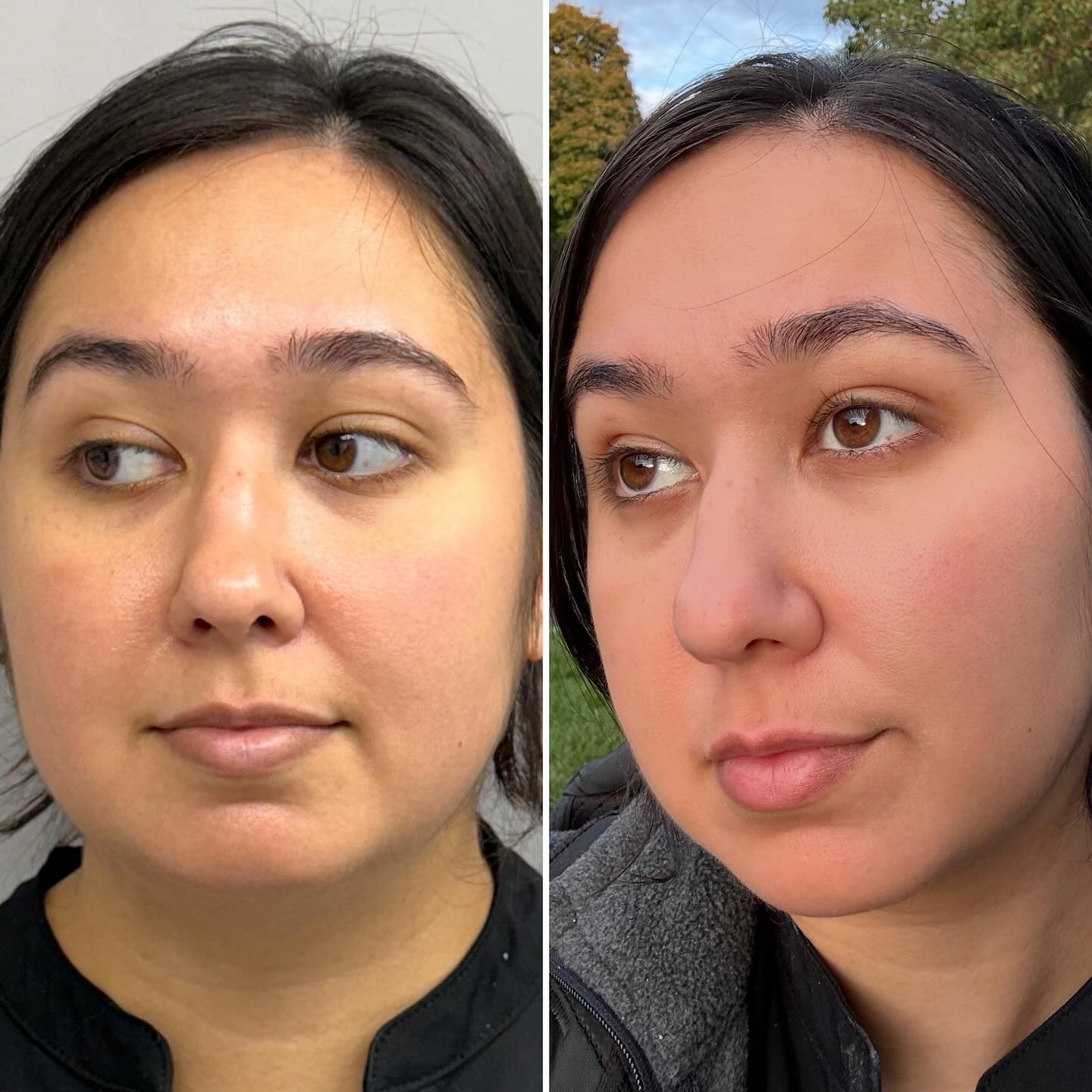
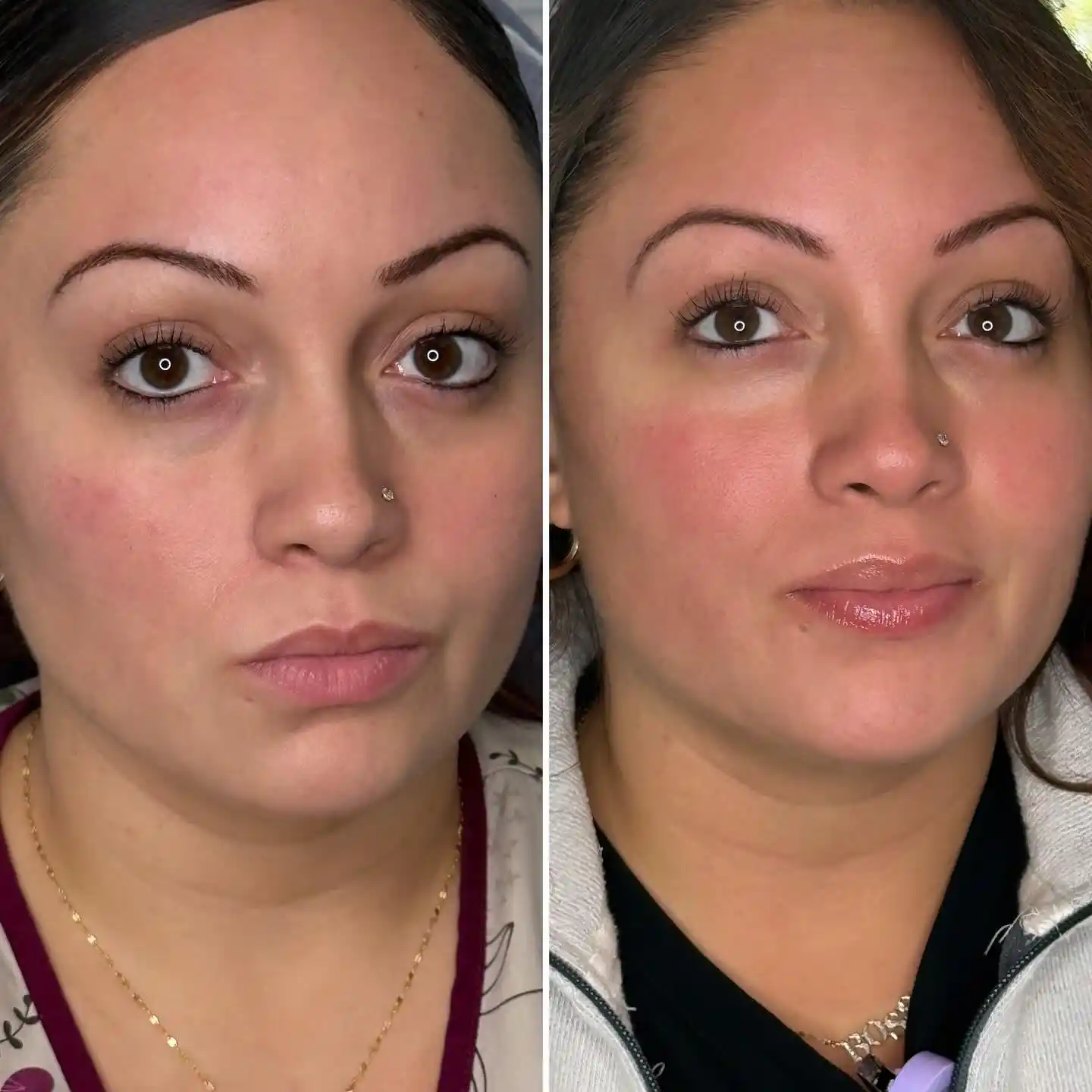
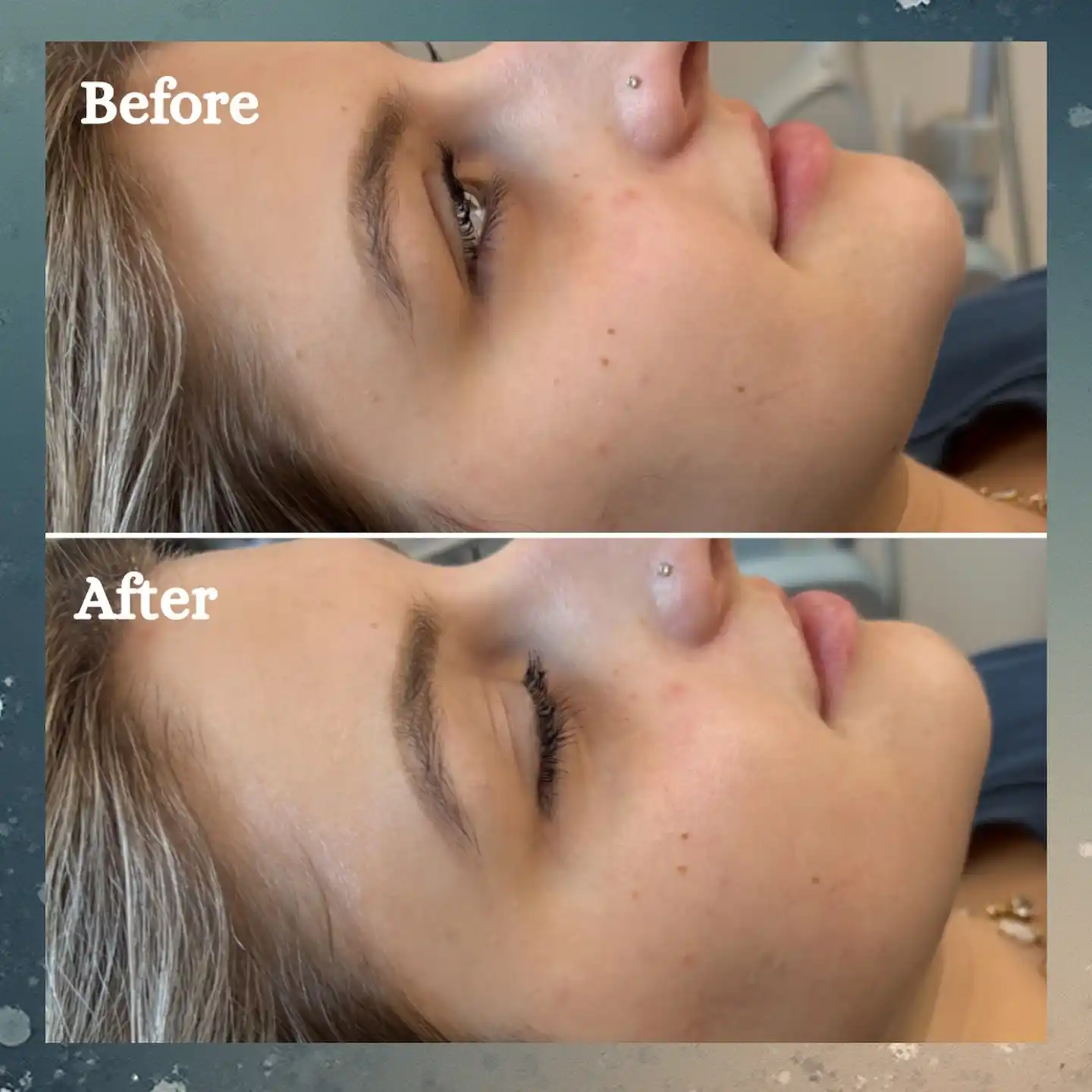
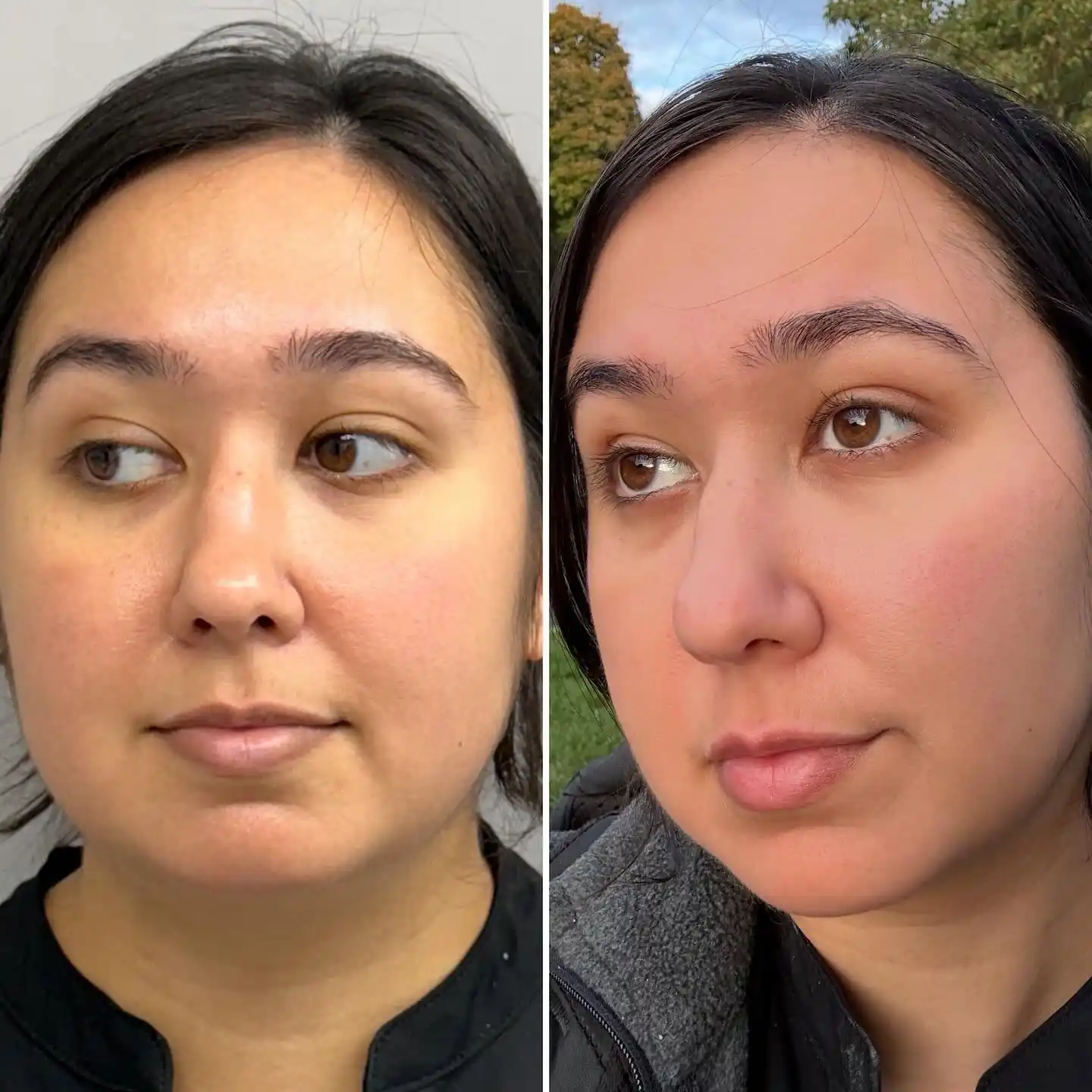
Chemical Peels: A Realistic Skin Transformation Case Study In Bel Air, MD_Bala Aesthetics & Medispa

Understanding The Skin Concerns

Imagine Someone Who Follows A Regular Skincare Routine But Still Notices That Their Skin Looks Dull & Uneven. They May Experience Occasional Breakouts, Visible Dark Spots, Rough Patches, Or Lingering Marks From Previous Acne.

These Concerns Can Make The Skin Appear Tired Or Less Smooth, Even When Someone Is Taking Care Of It At Home.

Common Reasons People Explore Chemical Peels Includes:

  1. Visible Sun Damage
  2. Rough Or Uneven Skin Texture
  3. Fine Lines & Early Signs Of Aging
  4. Uneven Skin Tone & Dull-Looking Skin
  5. Mild To Moderate Acne & Clogged Pores
  6. A Desire For Smoother, Brighter-Looking Skin
  7. Post-Acne Marks & Selected Types Of Pigmentation

Not Every Concern Requires The Same Type Of Peel. The First Step Is Understanding The Skin & Identifying Which Treatment Is Appropriate.

Step 1: A Personalized Skin Assessment

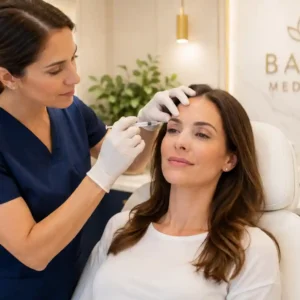
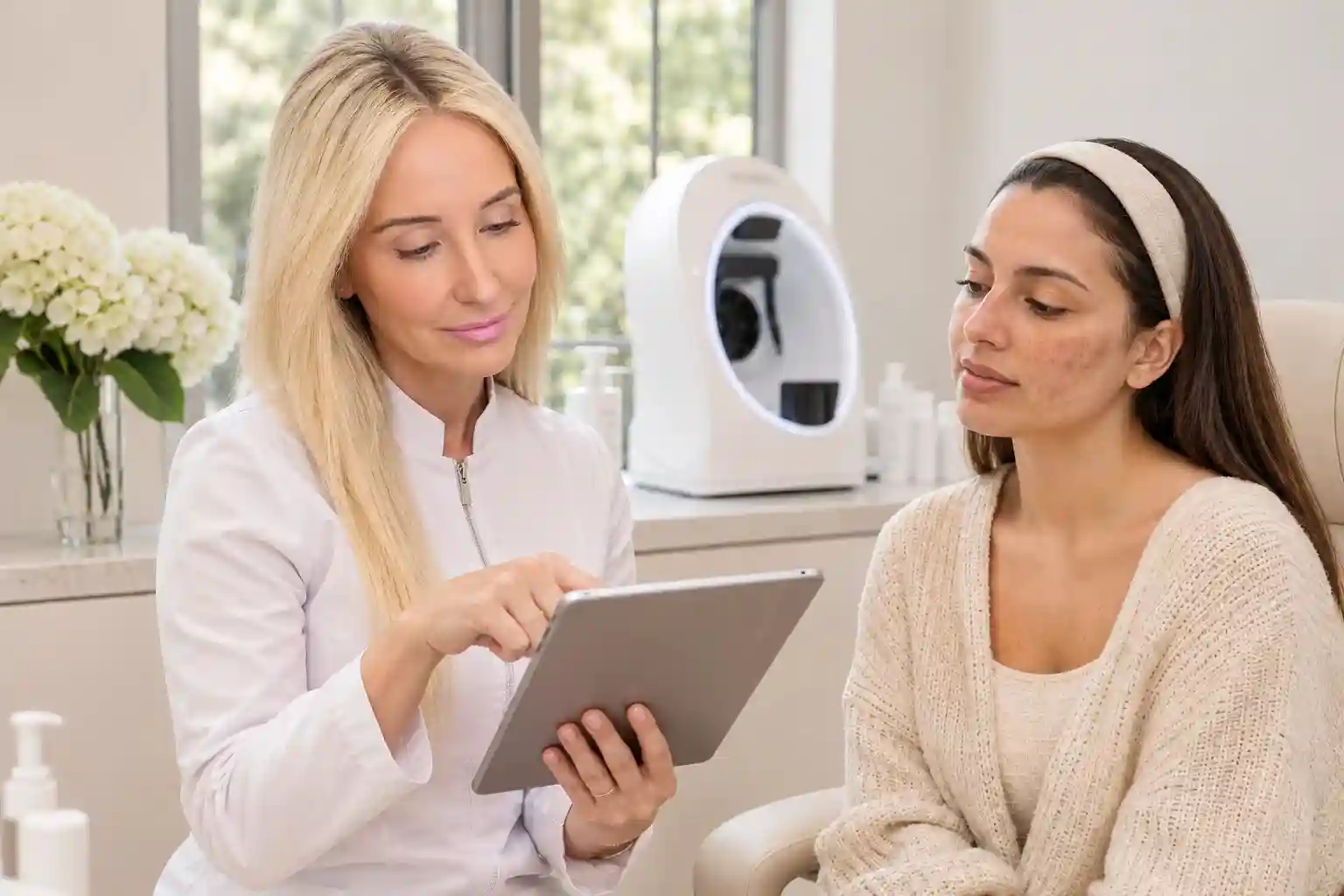
Before Recommending A Chemical Peel, A Qualified Skincare Professional Should Evaluate The Skin & Discuss The Individual’s Goals.

During A Consultation, The Provider May Assess:

  • Skin Sensitivity & Dryness
  • Skin Type & Overall Condition
  • Medical History & Medications
  • Uneven Pigmentation & Dark Spots
  • Current Acne, Congestion, & Breakouts
  • Current Skincare Products & Active Ingredients
  • Previous Chemical Peels Or Aesthetic Treatments
  • Available Recovery Time & Treatment Expectations
  • History Of Cold Sores, Scarring, Or Unusual Skin Reactions

This Assessment Matters Because A Peel That Works Well For One Person May Not Be Suitable For Another.

For Example, Someone With Oily, Acne-Prone Skin May Need A Different Approach From Someone Concerned About Dryness, Fine Lines, Or Uneven Pigmentation.

Skin Tone Matters When Choosing The Right Peel To Minimize Pigmentation Risks.

Step 2: Types Of Chemical Peels

Chemical Peels Use Specialized Solutions To Exfoliate Damaged Skin Cells, Helping Improve Skin Texture, Tone, & Overall Appearance.

At Bala Aesthetics & Medispa, Peel Treatments Are Selected Based On Individual Skin Concerns, Condition, & Goals.

1. Customized Chemical Peels: 

Tailored To Help Improves:

  • Fine Lines
  • Pigmentation
  • Rough Texture
  • Mild Acne & Congestion
  • Dullness & Uneven Skin Tone

2. SkinMedica Chemical Peels: Professional Peels Designed To Target Dullness, Uneven Texture, Discoloration, & Visible Signs Of Aging.

3. VI Peel & Other Professional Peels: Different Peel Options May Help Address Selected Skin Concerns. The Right Treatment Depends On Skin Type & Desired Results.

Step 3:Creating A Treatment Plan Around Individual Skin Goals

Once The Skin Assessment Is Complete, The Provider Can Discuss A Treatment Plan That Matches The Individual’s Needs.

For Example:

  • For Dull-Looking Skin: A Suitable Superficial Peel May Help Improve The Appearance Of Brightness & Surface Texture.
  • For Acne-Prone Skin: An Appropriate Peel May Help Exfoliate Dead Skin Cells & Improve The Appearance Of Clogged Pores.
  • For Uneven Skin Tone: The Provider May Consider A Formulation Designed For Selected Pigmentation Concerns.
  • For Fine Lines & Rough Texture: A Suitable Peel May Support Surface Renewal & Improve The Appearance Of Skin Texture.

The Treatment Plan Includes Selecting The Right Peel, Assessing Treatment Strength, Preparing The Skin, Planning Treatment Intervals, & Providing Proper Aftercare Instructions To Support Skin Recovery.

Some Individuals May Need Just One Session, While Others May Benefit From Multiple Treatments. Each Session Is Planned To Suit Individual Skin Needs. The Recommended Schedule Depends On Skin Concerns & How The Skin Responds To Treatment.

Step 4: What Happens During A Chemical Peel Treatment?

A Chemical Peel Appointment Generally Begins With Preparing The Skin & Confirming The Selected Treatment.

Although The Exact Process Varies By Peel, A Typical Appointment May Involve:

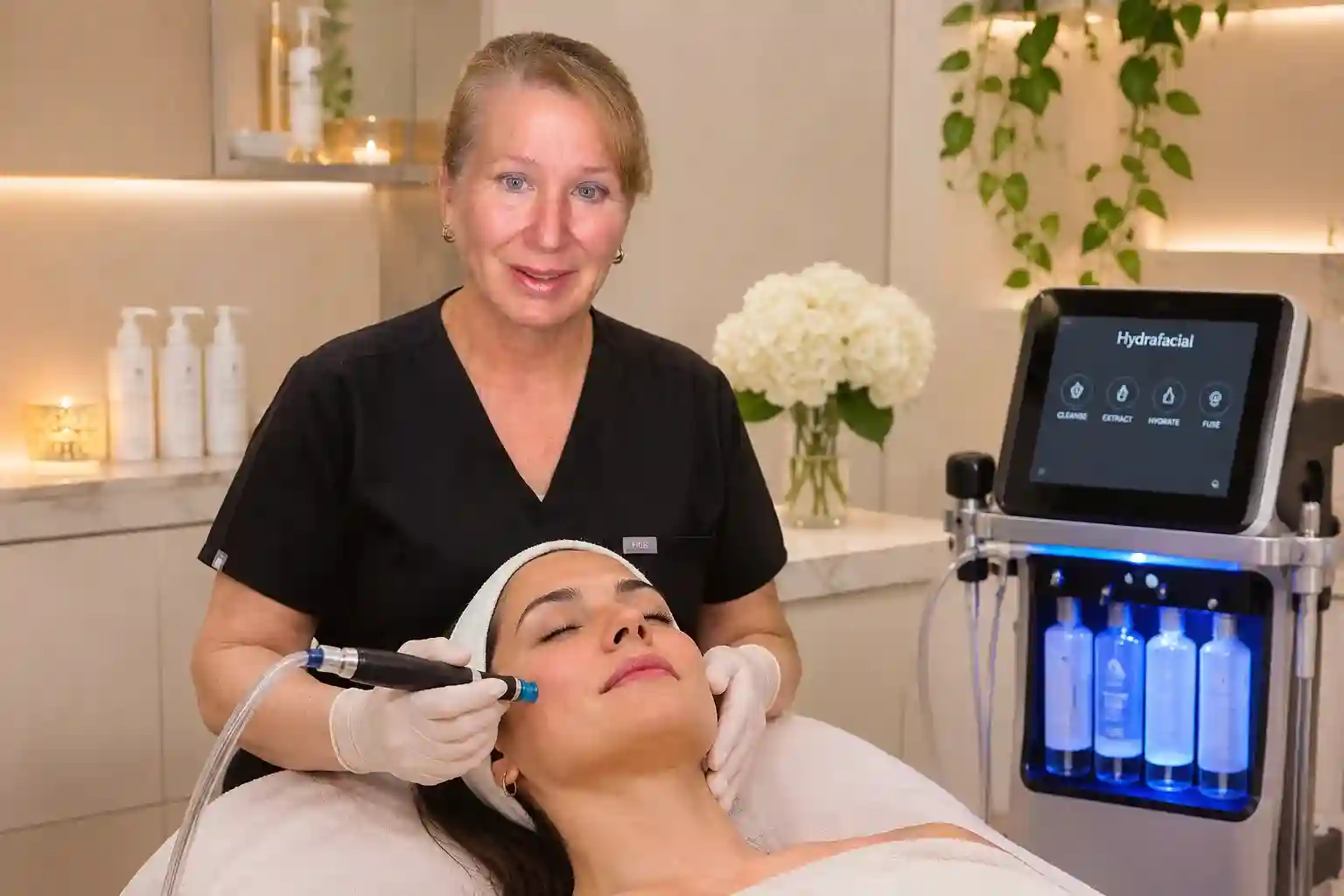
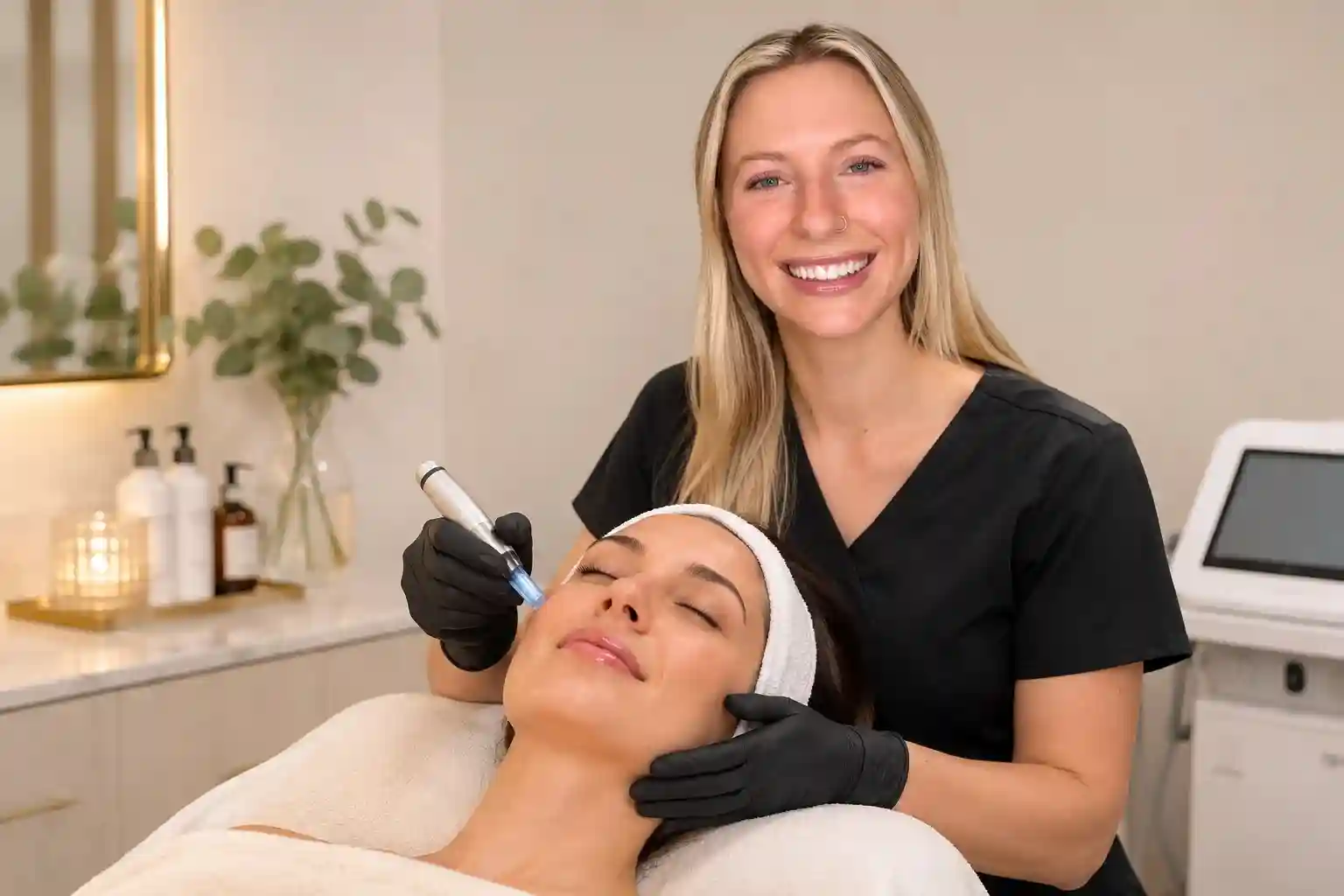
1. Skin Cleansing: The Treatment Area Is Cleansed To Remove Makeup, Oil, & Surface Impurities.

2. Skin Preparation: The Provider Prepares The Skin According To The Specific Peel Protocol.

3. Peel Application: The Selected Chemical Solution Is Applied Carefully Using The Product’s Recommended Application Method & Timing.

4. Treatment Monitoring: The Provider Observes The Skin & Follows The Appropriate Protocol. Depending On The Peel, It May Be Neutralized Or Removed During The Appointment, Or It May Be Designed To Remain On The Skin For A Specified Period.

5. Aftercare Guidance: The Client Receives Instructions About Cleansing, Moisturizing, Sun Protection, & Products To Avoid During Recovery.

The Experience Can Vary. Some People Notice Mild Tingling, Warmth, Or Temporary Redness, While Stronger Peels May Involve More Noticeable Peeling & Recovery Time.

Step 5: What Skin Improvements Can You Expect?

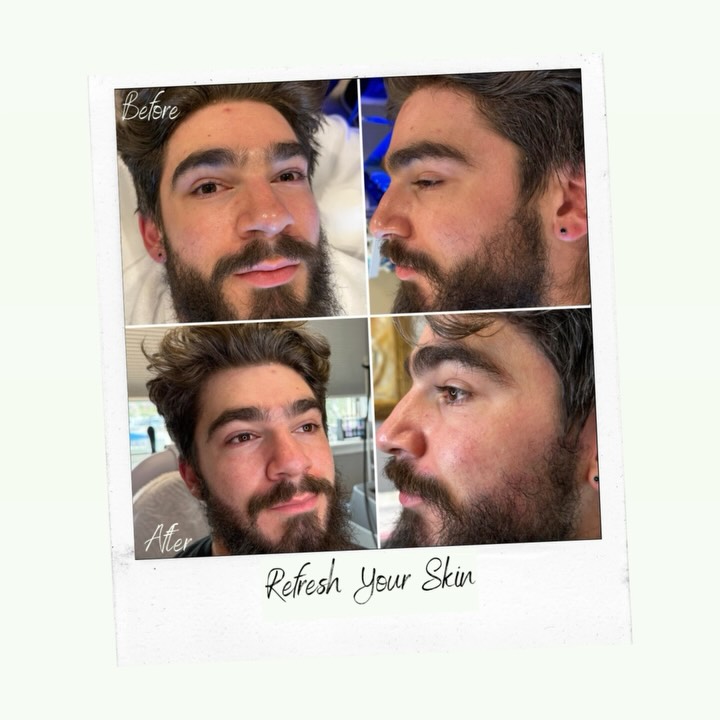
Chemical Peels Are Designed To Support Skin Exfoliation & Renewal. The Visible Changes Depend On The Peel Formulation, Treatment Depth, Original Skin Concern, & Individual Response.

A Suitable Chemical Peel May Help Improve The Appearance Of:

  1. Enlarged Pores
  2. Uneven Skin Tone
  3. Sun-Damaged Skin
  4. Excess Oil & Buildup
  5. Overall Skin Brightness
  6. Mild Acne & Congestion
  7. Rough Or Uneven Skin Texture
  8. Fine Lines & Visible Signs Of Aging
  9. Selected Dark Spots & Pigmentation
  10. Lack Of Radiance & Skin Appearance

Some Superficial Peels May Produce Subtle Improvements With Relatively Limited Recovery, While Deeper Treatments Can Involve More Noticeable Peeling & Downtime.

Chemical Peels May Improve Skin Concerns, But Some Conditions Require Combined Treatments & Consistent Skincare For Better Results.

Your Provider Can Explain What Improvements Are Reasonable For Your Skin Before Treatment Begins.
 

Step 6: Proper Skin Recovery & Aftercare Are Essential

After A Chemical Peel, The Skin May Feel Dry, Tight, Sensitive, Or Slightly Red. Depending On The Peel, Visible Flaking Or Peeling May Begin Over The Following Days.

Some Treatments Have Minimal Visible Peeling, While Others Require A Longer Recovery Period.

Following The Recommended Aftercare Routine Is Essential.

Aftercare May Include:

  • Follow All Product-Specific Instructions.
  • Avoid Direct Sun Exposure During Recovery.
  • Do Not Pick, Pull, Or Manually Remove Peeling Skin.
  • Use A Gentle Cleanser Recommended By Your Provider.
  • Keep The Skin Moisturized With Suitable Skincare Products.
  • Apply Broad-Spectrum Sunscreen With SPF 30 Or Higher As Directed.
  • Avoid Excessive Heat Or Activities That May Irritate The Skin During The Recommended Recovery Period.
  • Temporarily Avoid Retinoids, Exfoliating Acids, Scrubs, & Other Irritating Products Until Your Provider Advises You To Restart Them.

Seek Professional Advice If You Notice Severe Discomfort, Blistering, Infection, Or Unexpected Skin Reactions. Avoid Picking Or Scrubbing Peeling Skin.

Recovery Differs With Each Peel, So Follow Your Provider’s Recommended Aftercare Guidelines.


The Patient Takeaway: The Right Peel Makes The Difference

Chemical Peels Are Not Simply About Removing Dead Skin Cells. They Are About Selecting The Right Exfoliation Approach For An Individual’s Skin Condition & Goals.

Whether Someone Is Concerned About Acne, Uneven Skin Tone, Dark Spots, Dullness, Or Early Signs Of Aging, A Personalized Consultation Can Help Determine Whether A Customized Chemical Peel Or Another Treatment Option Is Suitable.

The Goal Is Not To Choose The Strongest Peel. It Is To Choose An Appropriate Treatment That Supports Healthier-Looking Skin While Considering Safety, Recovery, & Long-Term Skincare Habits.

Why Choose Bala Aesthetics & Medispa For Chemical Peels ?

Choosing A Chemical Peel Involves Considering Your Skin Type, Treatment Depth, Previous Skincare Treatments, & Recovery Expectations To Find The Most Suitable Option.

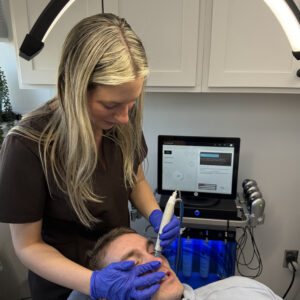
At Bala Aesthetics & Medispa, The Focus Is On Understanding Your Skin Concerns, Evaluating Your Skin’s Needs, & Exploring Suitable Treatment Options, Including HydraFacial & Chemical Peels, Through A Personalized Consultation Designed Around Your Skincare Goals.

Whether You Want To Improve Uneven Skin Tone, Address Acne-Related Concerns, Or Enhance Overall Skin Texture, The Right Treatment Plan Starts With Understanding Your Skin & Its Unique Needs. Our Goal Is To Support Healthier-Looking, Smoother, & More Radiant Skin Through Personalized Care & Suitable Treatment Options.

Frequently Asked Questions

What Is A Chemical Peel?

A Chemical Peel Uses Specialized Solutions To Exfoliate The Skin & Improve Its Appearance, Texture & Tone.

Which Chemical Peel Is Best For My Skin?

The Right Peel Depends On Your Skin Type, Concerns, Sensitivity, & Desired Results.


What Should I Avoid After A Chemical Peel?

Avoid Direct Sun Exposure, Scrubs, Retinoids, & Harsh Skincare Products Until Your Provider Advises You To Resume Them.


Is There Any Downtime After A Chemical Peel?

Downtime Depends On The Peel’s Strength. Some Cause Mild Redness, While Others May Involve Visible Peeling & Longer Recovery.


How Many Chemical Peel Sessions Do I Need?

Some Individuals May Need One Session, While Others May Benefit From Multiple Treatments Based On Their Skin Goals.


Where Can I Get Chemical Peels In Bel Air, MD?

You Can Explore Personalized Chemical Peel Options At Bala Aesthetics & Medispa, Located At 2021 Emmorton Rd. Bldg. B, Bel Air, MD 21014.


How Long Does A Chemical Peel Treatment Take?

Treatment Time Varies By Peel Type & Formulation, But Most Appointments Take Around 30–60 Minutes.


What Skin Concerns Can Chemical Peels Address?

They May Help Improve Acne, Dark Spots, Uneven Skin Tone, Dullness, Rough Texture, & Fine Lines.


Ready For Radiant Skin?

Book Your Chemical Peel Consultation At Bala Aesthetics & Medispa

Book Your Appointment Now

Case Studies

Recent Blogs