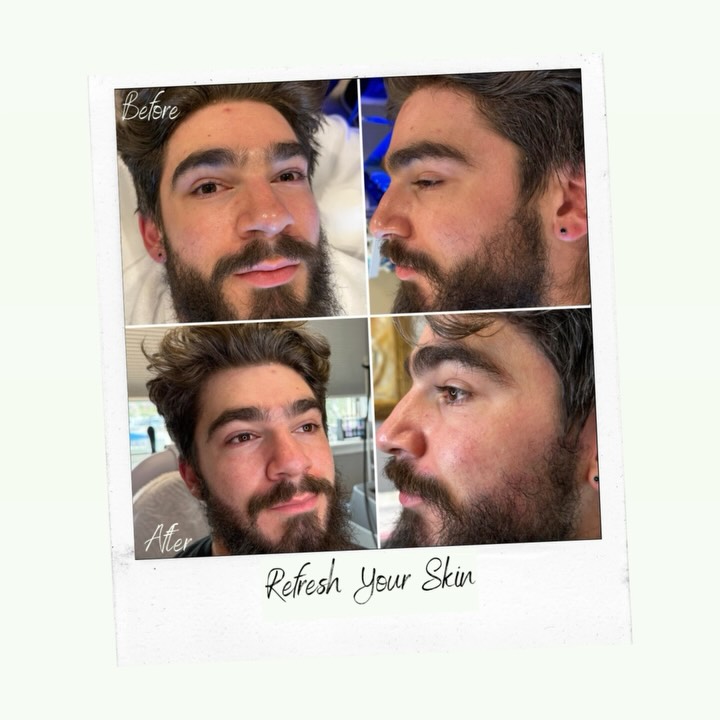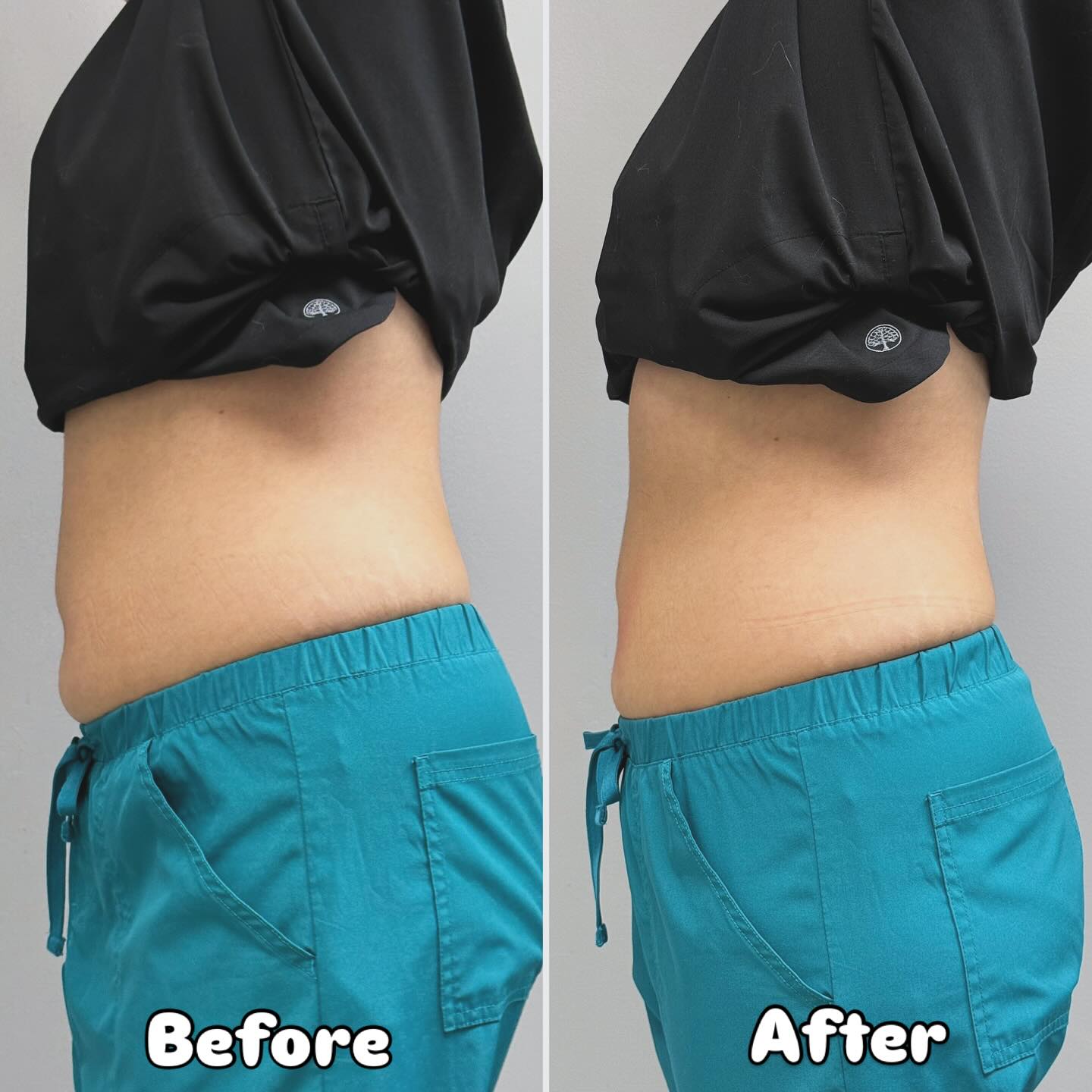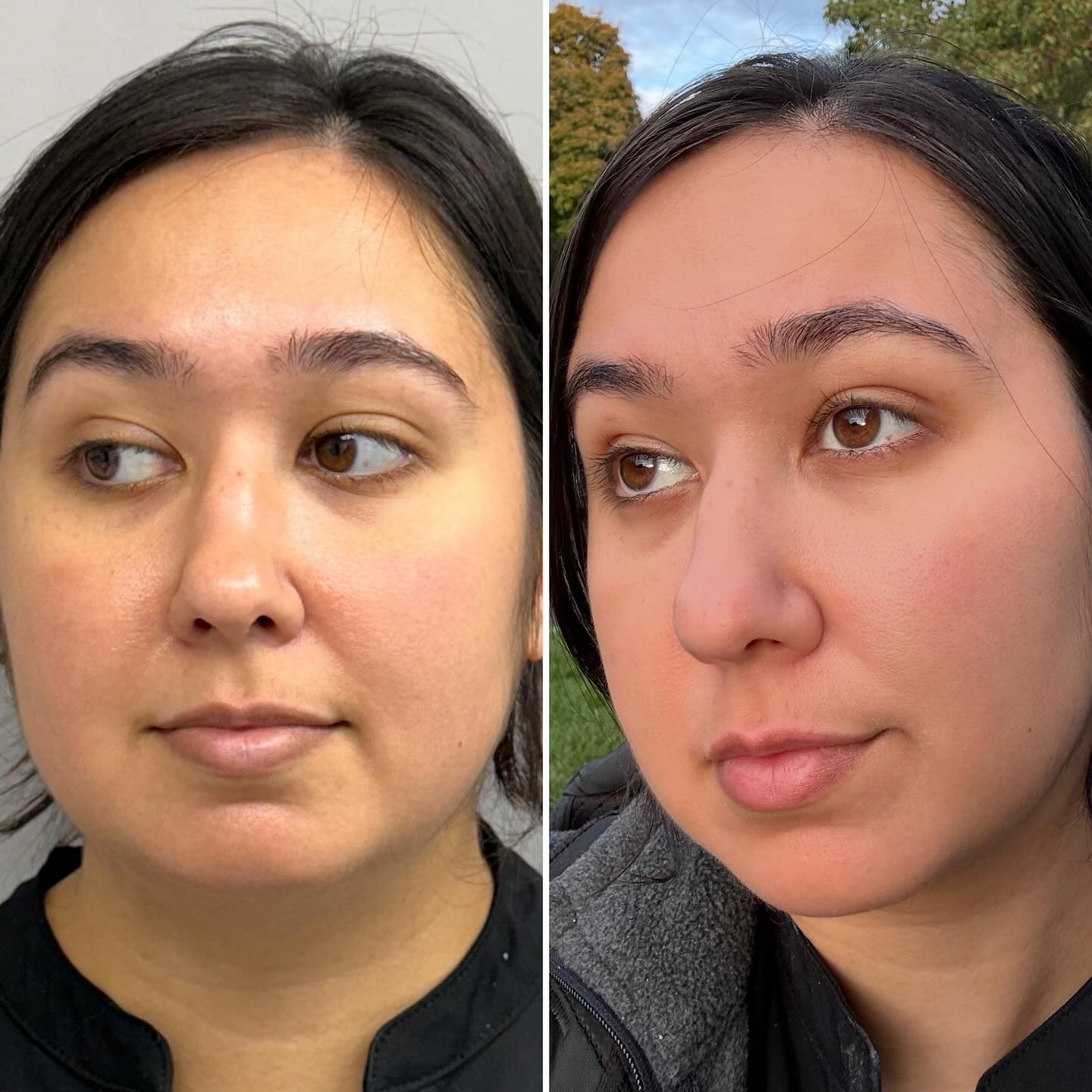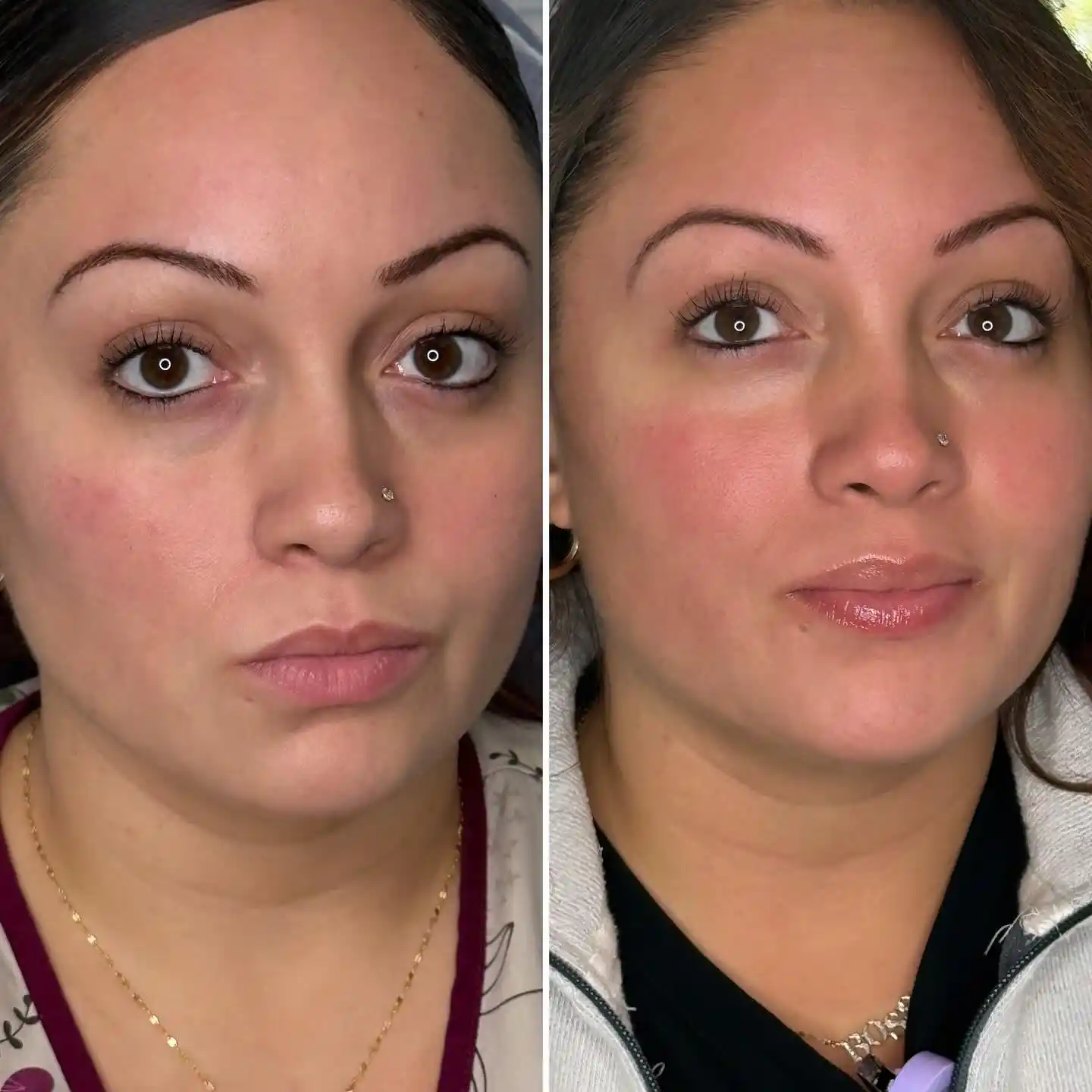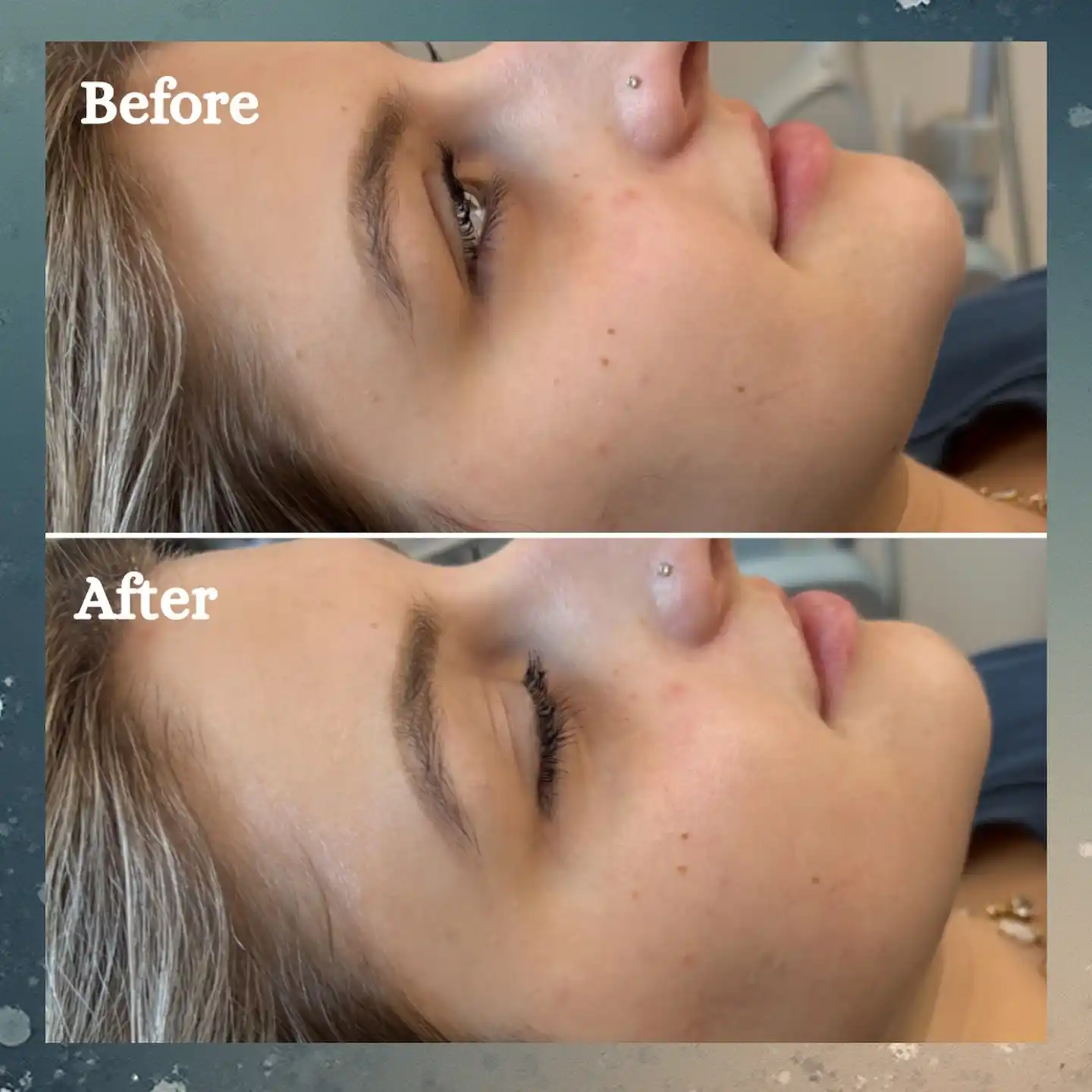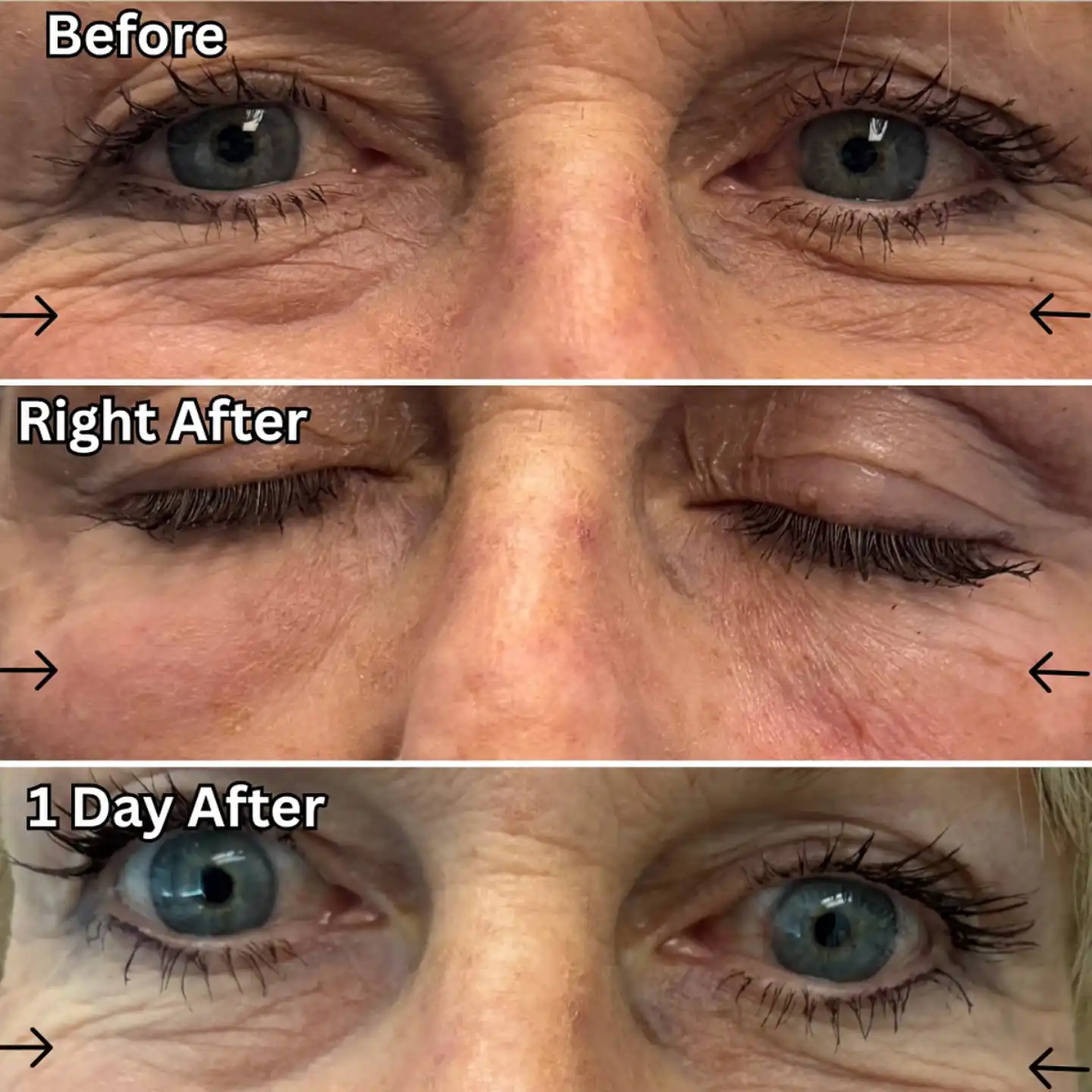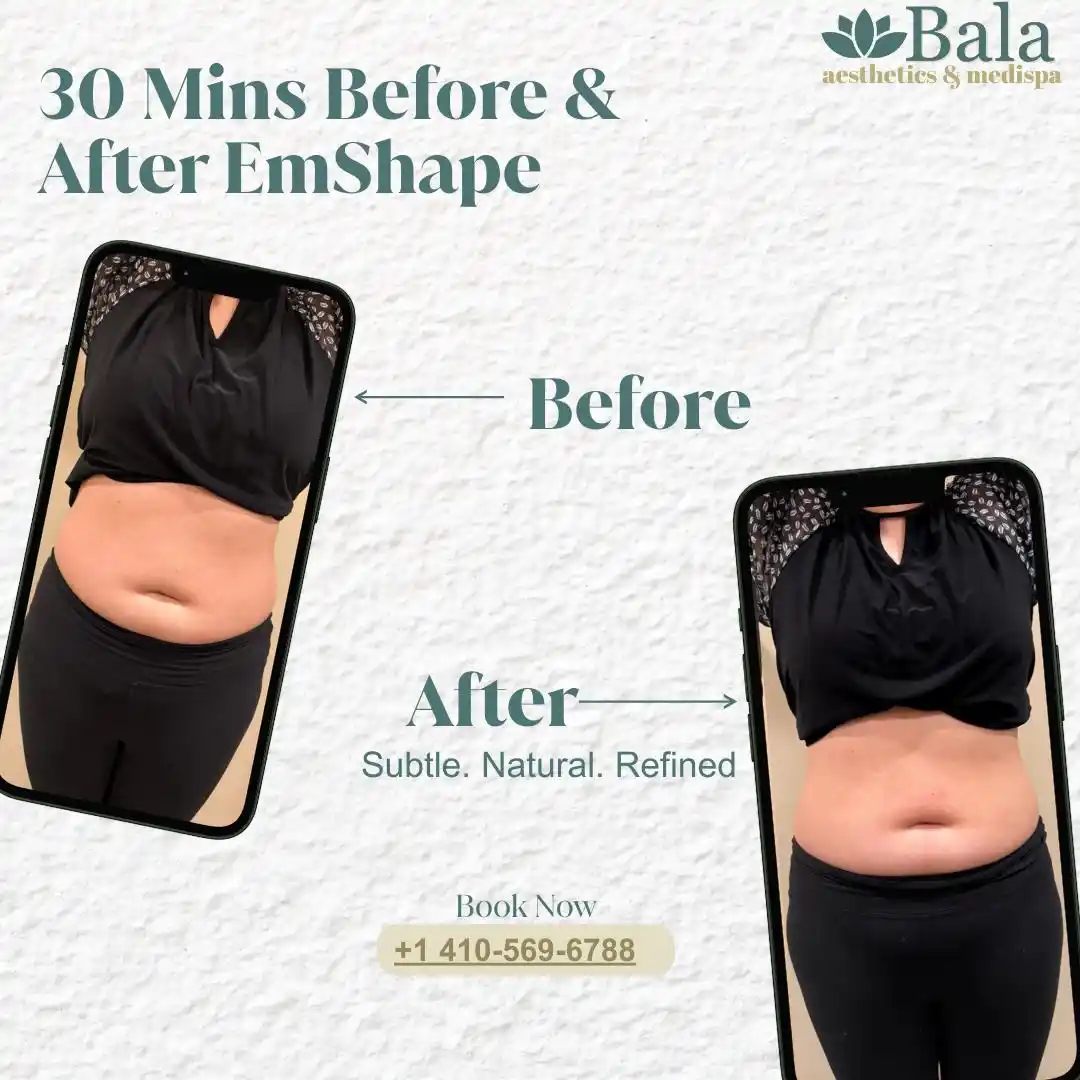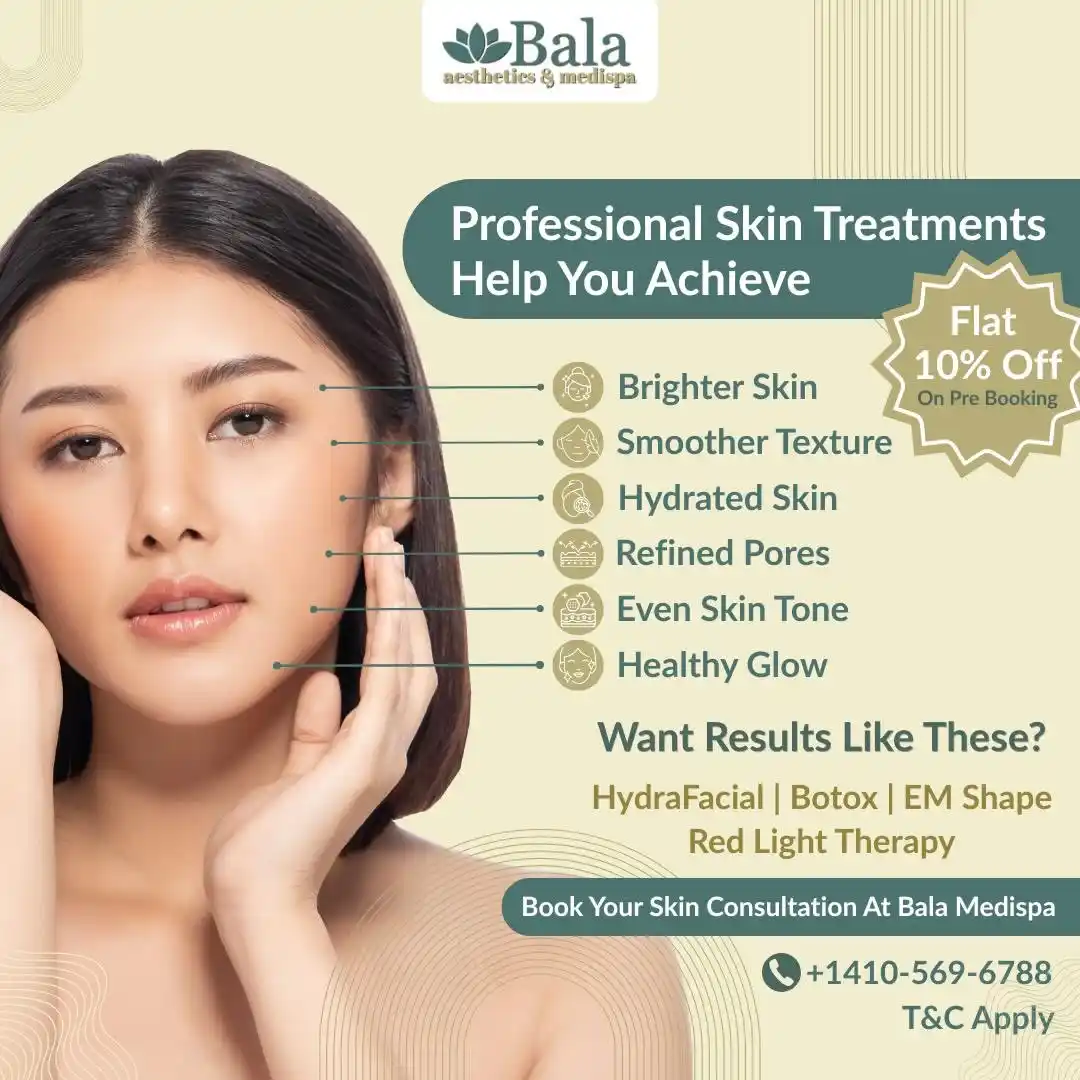
Maybe it’s a brown patch on one cheek. Maybe it’s a pimple mark that’s been hanging around for weeks. Or your skin tone just looks patchy, and nothing you try makes a dent. You’re not the only one. Dark spots are among the most common skin complaints out there, and they turn up at every …

Maybe it’s a brown patch on one cheek. Maybe it’s a pimple mark that’s been hanging around for weeks. Or your skin tone just looks patchy, and nothing you try makes a dent. You’re not the only one. Dark spots are among the most common skin complaints out there, and they turn up at every age and on every skin tone.
Doctors call it hyperpigmentation: your skin makes too much melanin, the pigment behind skin color, or holds onto it in one spot. Most of the time it’s harmless. Still, it’s worth working out what caused yours, because the cause decides which treatment actually works. And if you’re searching for dark spot treatment in Bel Air, MD, knowing how acne marks, sun spots, and melasma differ will help before you book anything.
How Common Are Dark Spots And Hyperpigmentation?
More than you’d think. A 2026 study in Clinical and Experimental Dermatology surveyed 48,000 people. Of those, 5,237 (10.9%) said they had melasma, the condition that leaves brown or grayish-brown patches on the face. It varied a lot by region, too: 23.9% in India against 6.4% in Europe. Keep in mind those figures are for melasma only, not every type of facial dark spot.
A 2025 systematic review looked at preventing post-inflammatory hyperpigmentation across 14 studies and 369 cases. Its takeaway was that prevention counts, particularly for skin tones that tend to darken after inflammation or injury.
So it’s not just about appearances. If you understand why your skin is pigmenting and stick to a plan that suits it, you can improve how it looks and how healthy it is.
What Causes Dark Spots On Your Face?
Not every dark spot is the same. What works best depends on which kind you have and what started it.
- Sun Exposure and Age Spots
Repeated UV exposure, over years, nudges your skin to produce more melanin. You end up with dark spots on your cheeks, forehead, nose, and anywhere else the sun hits most. People call them sun spots or age spots, and the medical name is solar lentigines.
And no, you don’t need to be outdoors all day. Everyday exposure adds up quietly and can leave your skin tone uneven.
What can help? Consistent sun protection, the right brightening ingredients, and treatments that a professional has assessed for you can all improve the look of sun-related pigmentation.
- Acne Marks and Post-Inflammatory Hyperpigmentation
Ever had a pimple heal completely, only for a dark mark to stay behind? That’s most likely post-inflammatory hyperpigmentation, or PIH.
When skin gets inflamed, from acne, irritation, or an injury, it can make extra pigment while it heals. The marks might look brown, dark brown, or grayish, depending on your skin tone and how deep the pigment sits. They tend to show up more on medium to darker skin tones.
What can help? Get active acne under control, resist picking or squeezing, and keep the sun off your skin. The right ingredients can also help prevent new marks and slowly fade existing ones.
- Melasma and Hormonal Changes
Melasma typically shows up as uneven brown or gray-brown patches across the cheeks, forehead, upper lip, and nose. Hormonal changes, pregnancy, certain medications, and sun exposure can set it off or make it worse.
It isn’t like a one-off pimple mark. Melasma usually spreads over a bigger area, and it can return even after you’ve treated it.
What can help? Most people manage melasma with sun protection plus topical treatments from a dermatologist. Chemical peels or lasers are sometimes an option, but only after someone has looked carefully at whether they suit you.
- Irritation From Skincare Products
Harsh exfoliants, fragranced products, and treatments that don’t agree with your skin can irritate it. For some people, that irritation brings on more pigmentation. It’s a frustrating cycle: you try to brighten your skin and end up making the discoloration worse.
Go for gentle products your skin tolerates, and stop using anything that keeps burning or irritating it.
What Are The Best Treatments For Dark Spots?
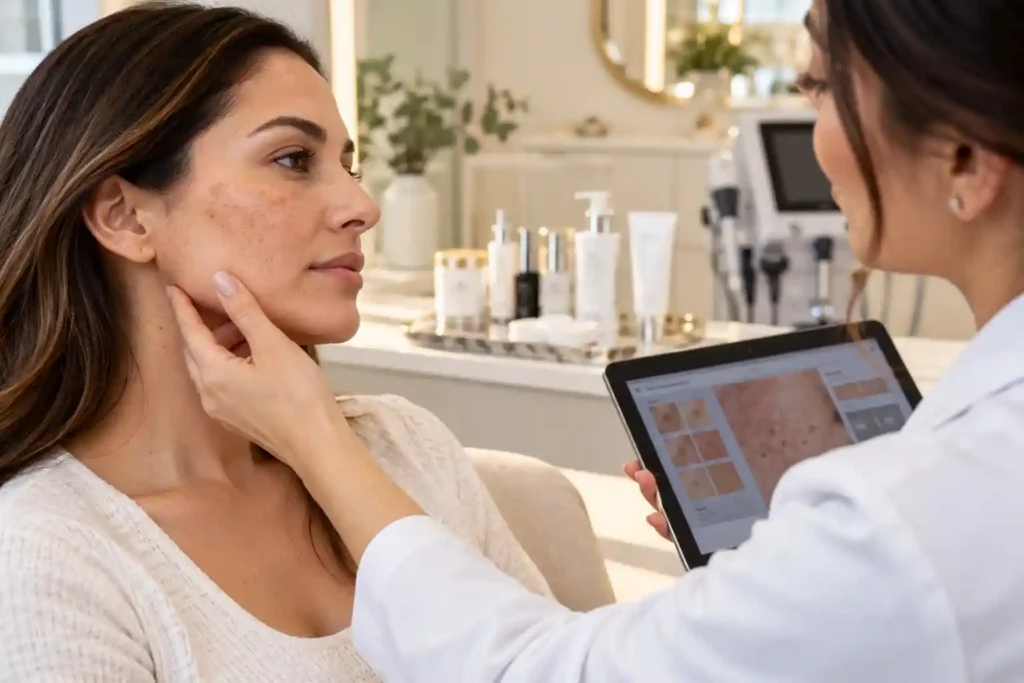
No single treatment works for everyone. A professional assessment can tell you whether your spots come from acne, sun damage, melasma, or something else.
Skincare Ingredients That May Help
Depending on the cause and how sensitive your skin is, these may be worth a look:
- Vitamin C: An antioxidant that may help even out skin tone.
- Azelaic acid: May help with acne and some forms of post-inflammatory pigmentation.
- Retinoids: They support skin cell turnover and can help with acne and some pigmentation. They can also irritate, and they aren’t suitable during pregnancy unless a doctor guides you.
- Glycolic acid: An exfoliating ingredient that may improve uneven texture and discoloration.
- Kojic acid: May help reduce excess pigment in some formulations.
Add active ingredients slowly. Layering too many strong products at once can irritate your skin and darken the marks you’re trying to fade.
Professional Skin Treatments
Depending on your skin and what’s offered, a qualified skincare professional might talk you through options like these:
- HydraFacial: Cleanses, exfoliates, and hydrates. It can leave skin looking fresher, but it isn’t guaranteed to fix deeper pigmentation.
- Chemical peels: The right peel, chosen for your skin type and condition, may improve superficial discoloration.
- Laser and light-based treatments: Some devices can target specific pigmentation concerns. But some lasers can make pigmentation worse, especially on darker skin tones, so careful assessment and the right settings are essential.
- Skin resurfacing: Certain procedures may improve texture and some pigmentation issues, depending on what’s causing them.
At Bala Aesthetics & Medi Spa, you can browse the skincare services on offer and talk through which ones might suit your concerns. And if your dark spots are changing, won’t go away or have no obvious cause, see a dermatologist before pursuing any cosmetic treatment.
How Can You Prevent Dark Spots From Returning?
Prevention is just as important as treatment.. The American Academy of Dermatology says managing hyperpigmentation starts with sun protection. Its guidance, updated in March 2025, recommends a broad-spectrum sunscreen with SPF 30 or higher. It also notes that tinted sunscreens containing iron oxides give extra protection against visible light, which can make pigmentation worse.
A few habits that help:
- Wear sunscreen every day. Use broad-spectrum SPF 30 or higher, and reapply at least every two hours when you’re outdoors, and after swimming or sweating.
- Don’t pick at pimples. Less trauma to the skin means fewer post-acne marks.
- Keep your skincare gentle. Skip harsh scrubs and anything that burns or keeps irritating you.
- Stay consistent. Regular cleansing, moisturizing, and sun protection all support your skin barrier.
- Get professional advice. If pigmentation sticks around or keeps coming back, finding the underlying cause is key.
How Long Does It Take For Dark Spots To Fade?
You’ll need some patience. According to the American Academy of Dermatology, a spot that’s only a few shades darker than your natural skin tone can take roughly 6 to 12 months to fade once the trigger is dealt with. Deeper pigmentation can take a lot longer.
How long it takes depends on the type of pigmentation, your skin tone, the treatment you use, and how consistent you are with sun protection. Melasma is especially stubborn and may need ongoing management.
Explore Dark Spot Treatment Options In Bel Air, MD
Dark spots don’t all have the same cause. That’s why a personalized approach usually works better than cycling through brightening products on your own. Whether it’s sun spots, acne marks, melasma, or just uneven tone, understanding your skin is the first step toward picking the right treatment.
Bala Aesthetics & Medi Spa is a good place to start if you’re exploring skincare services in Bel Air, Maryland. Visit balamedispa.com to learn about available treatments and talk through your skincare goals.
Your skin has its own needs, and it deserves more than a one-size-fits-all fix.
Book Online
-
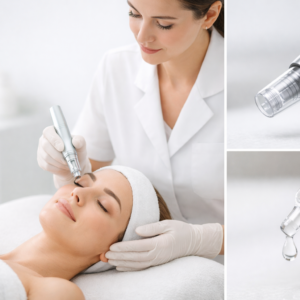
Advanced Microneedling With PDRN In Bel Air, MD
$300.00 Add to cart -
Botox $14 Per Unit At Bala Med Spa In Bel Air, MD
$14.00 Add to cart -
Cosmetic Injectables Treatment In Bel Air, MD
$600.00 Add to cart -

EMShape Body Sculpting At Bala Medispa In Bel Air MD
$200.00 Add to cart -
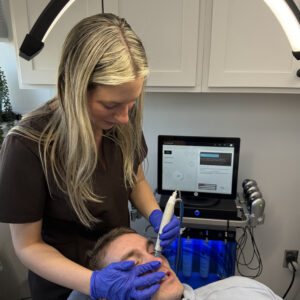
HydraFacial & Chemical Peel Treatment In Bel Air, MD
$235.00 Add to cart -

JuvaShape Body Contouring Treatment In Bel Air MD
$525.00 Add to cart
Case Studies
Tags:Age SpotsBala Aesthetics & Medi SpaBel Air med spaCauses of Dark SpotsChemical PeelsDark Spot TreatmentDark Spot Treatment in Bel Air MDDark Spots on FaceFacial HyperpigmentationFraxel treatmentHyperpigmentationMelasmapigmentation treatmentPost-Acne MarksPost-Inflammatory HyperpigmentationSkin ClaritySkin RejuvenationSkincare TipsSun Spots on FaceUneven Skin Tone