If you've spent any time looking into non-invasive skin treatments, odds are red light therapy has crossed your radar at some point. And like most people diving into this topic, you're probably wondering the same basic thing: does it actually deliver results?It's not surprising red light therapy has gained so much traction in skincare and …

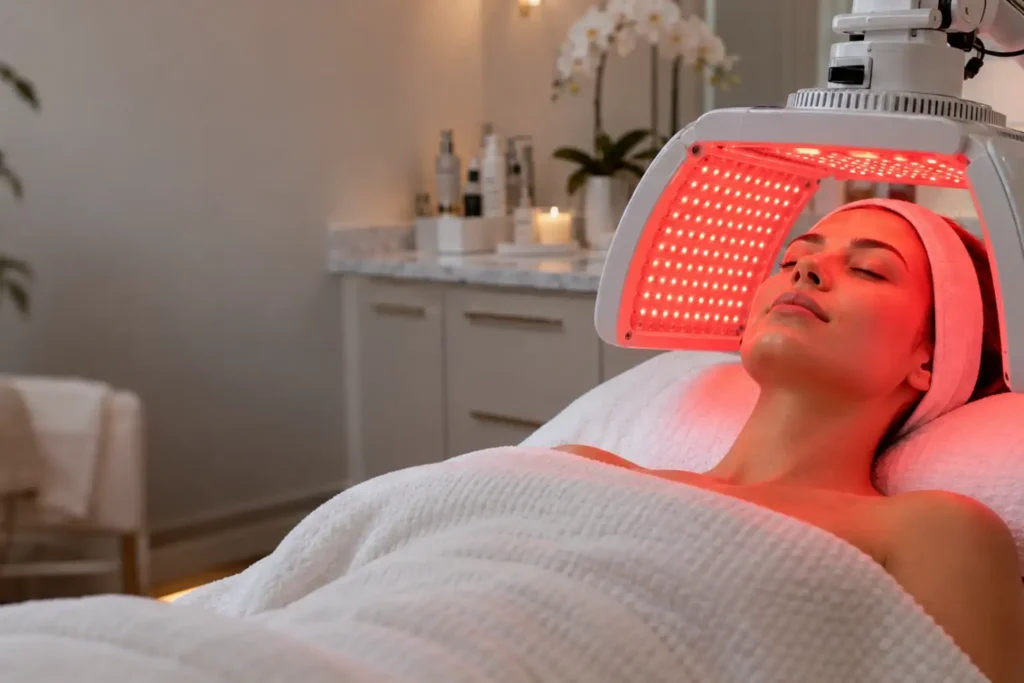
If you’ve spent any time looking into non-invasive skin treatments, odds are red light therapy has crossed your radar at some point. And like most people diving into this topic, you’re probably wondering the same basic thing: does it actually deliver results?
It’s not surprising red light therapy has gained so much traction in skincare and wellness circles. The treatment works by using specific wavelengths of light that interact directly with the skin, and it’s commonly used for concerns like fine lines, redness, and acne-prone skin.
At Bala Medi Spa, we don’t treat red light therapy as some kind of magic bullet on its own — it’s really just one piece of a larger, more personalized approach. It tends to work best when it’s built around your unique skin concerns and goals, rather than handed out as a blanket, one-size-fits-all solution. Further down, we’ll cover how the treatment works, what it can help with, how often you’d need to come in for sessions, what results are realistic to expect, and what it actually feels like to go through the treatment.
What Is Red Light Therapy?
You may know this treatment by another name — LED light therapy — but it’s the same thing. The idea is straightforward: specific wavelengths of light get directed onto the skin.
Unlike lasers, red light therapy won’t strip away or damage your skin’s outer layers. No peeling, no shedding skin cells, no recovery time built into your schedule. Instead, the light energy penetrates into the treated area and interacts with your cells directly.
There’s a growing body of research on this process — it’s called photobiomodulation — looking into how light at these wavelengths might influence cellular activity and how tissue responds over time.
Because there’s no cutting, no needles, and no recovery period involved, it’s easy to see why so many people have folded red light therapy into their regular skincare and wellness routines.
Does Red Light Therapy Really Work?
It’s the one question everyone eventually asks, and it deserves a straight answer — except the straight answer isn’t a simple yes or no. How well it works comes down to a handful of variables: which concern you’re targeting, the quality of the device, how consistently you’re showing up for sessions, and how your particular body responds.
There’s legitimate research looking into red and near-infrared light, covering areas like skin rejuvenation and processes tied to inflammation. This isn’t a trend riding on scientific-sounding buzzwords — it’s a subject researchers are genuinely still investigating.
Red light therapy won’t stand in for every professional skin treatment out there, and outcomes differ quite a bit from person to person — someone else’s results aren’t necessarily a preview of yours.
What Is Red Light Therapy Good For?
Red light therapy is commonly explored for several skin-related concerns.
Potential skincare applications include:
- Supporting healthier-looking skin
- Improving the appearance of fine lines
- Supporting skin firmness
- Reducing the appearance of redness
- Supporting skin recovery
- Complementing acne-focused skincare
- Overall skin rejuvenation
What actually makes sense for you comes down to your skin’s condition and what you’re hoping to accomplish.
A professional consultation can help determine whether red light therapy is appropriate for you.
How Does Red Light Therapy Work?
So how does red light therapy actually work? At its core, it’s pretty simple – your skin gets exposed to controlled wavelengths of light, and that’s really where the magic happens. Once that light makes contact with your skin, it starts interacting with the structures inside your cells. Exactly how this influences things like cellular energy production and the way your tissue responds afterwards is still being actively researched; it’s an area that keeps evolving as new studies come out.
Here’s something reassuring, though: there are no needles, no injections, and no surgical incisions involved in this treatment.
This is probably one of the questions we hear the most, and it’s a fair one — how often should you use red light therapy?
The honest answer is: it depends. Frequency really comes down to a few things — the specific device being used, what you’re trying to achieve, the current state of your skin, and ultimately, what your provider thinks is best for your situation.
For a lot of people, the real benefit comes from sticking to a series of regular sessions rather than popping in every once in a while when they remember. Consistency actually matters here because red light therapy isn’t the kind of treatment where you do it once and get permanent results forever. It builds over time.
Your provider is really your best resource for figuring out the right schedule — they’ll factor in your skin and the specific technology you’re using to land on something that actually makes sense.
One thing worth mentioning: more isn’t automatically better. Cranking up the frequency on your own, thinking it’ll speed things along, isn’t the way to go. Stick with the schedule your provider recommends — that’s the pace that’s actually been calibrated to work for you.
How Long Does Red Light Therapy Take to Work?
Red light therapy results typically develop gradually.
Some people may notice their skin looks refreshed after treatment, but meaningful changes usually require consistency and time.
Results can depend on:
- Treatment frequency
- Device quality
- Wavelength
- Treatment duration
- Skin condition
- Individual response
- Overall skincare routine
If you’re using red light therapy for skin rejuvenation, your provider can help establish realistic expectations about how long it may take to notice changes.
Red Light Therapy vs. Laser Treatment
Red light therapy sticks to lower-intensity light and stays completely non-invasive — nothing about it is designed to remove or damage the skin’s outer layers. It’s more of a gentle, supportive treatment.
Laser treatments, on the other hand, deal with a lot of firepower. They deliver concentrated energy that can go after specific concerns like pigmentation, acne scarring, wrinkles, or general skin resurfacing. Because of that added intensity, laser procedures can come with a more noticeable recovery period — how much really depends on the specific treatment you’re getting. So which one wins? Honestly, it depends entirely on you — what you’re trying to fix, what results you’re hoping for, and how much downtime you’re willing to work around.
Worth keeping in mind: these treatments don’t have to compete with each other. In some cases, red light therapy can be layered in alongside other professional skincare treatments to complement your overall results.
Is Red Light Therapy The Right Fit For You?
If you’re after a non-invasive option that can slot into your current skincare routine, red light therapy is definitely worth a look. It’s not, however, a magic fix that works for every single skin concern out there.
That’s where a professional consultation comes in. Sitting down with someone who can actually assess your skin will help you figure out if red light therapy makes sense for you, or if there’s a different treatment that might get you closer to your goals.
At Bala Medi Spa, we don’t believe in cookie-cutter recommendations. Whatever we suggest is based on your skin, your concerns, and what you’re actually hoping to achieve.
Ready To Book A Red Light Therapy Consultation?
So, back to the original question — does red light therapy really work? The honest answer is: it can, for certain skin concerns, but it’s not instant, and it’s not guaranteed. Results really come down to staying consistent with treatment and keeping your expectations realistic.
If you’re drawn to the idea of a non-invasive way to support skin rejuvenation, red light therapy could be a great addition to a personalized skincare plan built around you.
Thinking about trying red light therapy in Bel Air, Maryland? The team at Bala Medi Spa can walk you through the potential benefits, how often you’d need sessions, what kind of results are realistic, and whether this treatment lines up with what you’re trying to achieve.
Reach out to book a consultation with Bala Medi Spa — let’s talk about your skin and find the right path forward together.
Frequently Asked Questions About Red Light Therapy
Is Red Light Therapy Safe?
Red Light Therapy Is Generally Non-Invasive, But Safety Depends On The Device & How It Is Used. People With Photosensitivity, Certain Medical Conditions Or Medications That Increase Light Sensitivity Should Seek Appropriate Professional Advice Before Treatment.
Does Red Light Therapy Actually Work?
Research Suggests That Red & Near-Infrared Light Can Produce Biological Effects & May Provide Benefits For Certain Applications. However, Results Vary According To The Treatment Goal, Wavelength, Dose, Device & Consistency. Red Light Therapy Should Not Be Considered A Guaranteed Treatment Or Cure.
Does Red Light Therapy Increase Collagen?
Research Has Investigated The Relationship Between Photobiomodulation & Processes Involved In Skin Repair & Collagen-Related Activity. However, Results Depend On The Treatment Parameters & Should Not Be Interpreted As A Guarantee Of Increased Collagen.
How Many Red Light Therapy Sessions Do I Need?
There Is No Universal Number. The Recommended Number Depends On The Treatment Goal, Device, Dose & Individual Response.
Is Professional Red Light Therapy Better Than An LED Mask?
Not Automatically. Professional & At-Home Devices Can Differ In Wavelength, Irradiance, Dose, Treatment Design & Supervision. Compare The Actual Specifications & Intended Use Rather Than Judging Solely By The Device Category.
How Long Does It Take To See Results From Red Light Therapy?
Results Vary. Some Changes May Be Noticed Relatively Early, While Cosmetic Improvements Generally Require Consistent Treatment Over Time. Your Provider Can Recommend A Treatment Schedule Based On Your Goals & The Device Being Used.